 Just About Watches


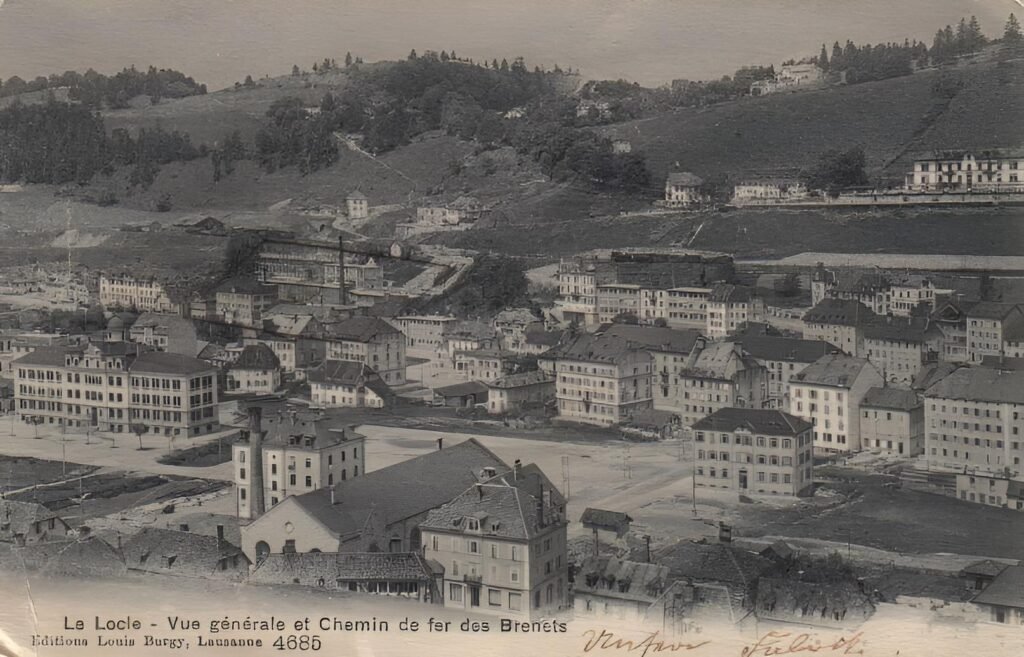
During the late eighteenth and early nineteenth centuries, Europe was a continent in flux. The Napoleonic wars reshaped political boundaries, economies, and the movement of goods, presenting both challenges and opportunities for Swiss watchmakers. Dubois et fils responded with a measured strategy that balanced technical innovation with commercial expansion. Their early pocket watches were prized for reliability, and the company began exporting to Germany, Russia, and the Ottoman Empire, placing its movements in the hands of merchants, officers, and administrators who relied on precise timekeeping for commerce, navigation, and military coordination. While other houses sought fame through flamboyant complications or aggressive marketing, Dubois et fils’ reputation rested on the integrity of the movement itself. The company experimented with calendar mechanisms, chronographs, and, in select instances, repeating functions, demonstrating a sophistication that, while understated, was technically notable. Surviving examples from this period reveal a commitment to both finish and functionality, with polished bridges, carefully aligned gears, and elegantly proportioned balance wheels, each component reflecting a painstaking attention to detail that would define the house for centuries.
During the late eighteenth and early nineteenth centuries, Europe was a continent in flux. The Napoleonic wars reshaped political boundaries, economies, and the movement of goods, presenting both challenges and opportunities for Swiss watchmakers. Dubois et fils responded with a measured strategy that balanced technical innovation with commercial expansion. Their early pocket watches were prized for reliability, and the company began exporting to Germany, Russia, and the Ottoman Empire, placing its movements in the hands of merchants, officers, and administrators who relied on precise timekeeping for commerce, navigation, and military coordination. While other houses sought fame through flamboyant complications or aggressive marketing, Dubois et fils’ reputation rested on the integrity of the movement itself. The company experimented with calendar mechanisms, chronographs, and, in select instances, repeating functions, demonstrating a sophistication that, while understated, was technically notable. Surviving examples from this period reveal a commitment to both finish and functionality, with polished bridges, carefully aligned gears, and elegantly proportioned balance wheels, each component reflecting a painstaking attention to detail that would define the house for centuries.
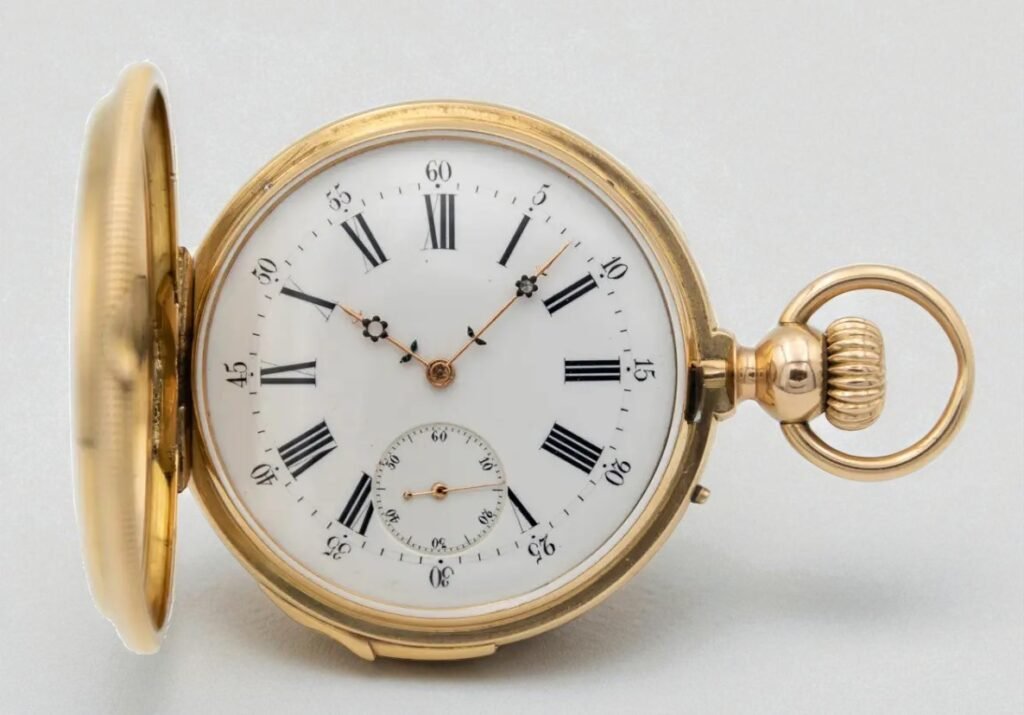
It is in this 19th-century phase that the company crystallised its identity as both maker and merchant. They were producing pocket watches of high quality, distinguished by their reliability and finishing, while simultaneously using their trading acumen to move them into diverse markets. This duality is essential in understanding DuBois et fils: it was never just a bench-bound workshop nor merely a distributor; it was a hybrid, comfortable in both worlds. Their pocket watches of this period embodied what one might call “honest Swiss horology” — clean enamel dials, precise hands, mechanical reliability suited to travel, with ornamentation enough to impress but not ostentatious enough to alienate. They occupied a tier of quality that was aspirational without straying into the realm of unattainable luxury, and this placement allowed them to thrive in a growing consumer landscape.
The nineteenth century also saw Dubois et fils navigating a horological landscape increasingly shaped by industrialisation. Mechanised production threatened the traditional artisan model, yet the company managed to retain the artisanal quality that had initially defined its reputation. Their calibres were sought after not only for their functional accuracy but also for their refined finishing, a combination that allowed them to maintain relevance in an era of rapid technological change. The firm’s dual role as producer of movements and supplier to retailers allowed it to operate flexibly, adapting to market conditions while preserving the integrity of its craft. By producing movements for other brands, Dubois et fils extended its influence and revenue streams without diluting the value of its own name, a strategic decision that reflected both pragmatism and an acute understanding of the business realities of Swiss watchmaking.
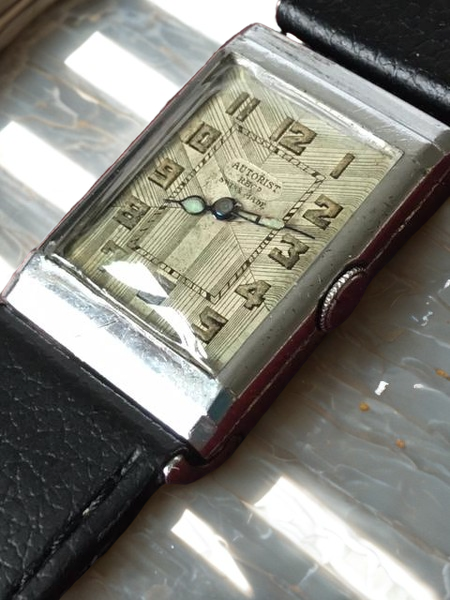
Yet they did not merely follow trends; they experimented. In 1931, they released the “Autorist,” a wristwatch with an unusual self-winding mechanism powered not by a central rotor but by the movement of the lugs themselves. It was, in essence, an alternative approach to automatic winding at a time when the battle for the best self-winding design was heating up. Although the Autorist did not become an industry standard — the centrally mounted rotor eventually won that war — its existence reveals a brand unafraid to innovate, to take risks that might or might not pay off commercially. The attempt itself added to their reputation, showing that they were not merely casing other people’s inventions but seeking their own solutions to mechanical problems.
As the century progressed, the company continued to evolve alongside shifting consumer tastes and technological innovations. Minute repeaters, chronographs, and complex calendar mechanisms emerged as both technical achievements and markers of prestige, and Dubois et fils’ involvement in these complications underscored its dedication to mechanical excellence. The expansion of rail networks and the increasing precision required in commercial and military contexts created a market in which reliability was not merely desirable but essential. Dubois et fils’s ability to combine accuracy with elegant finishing ensured that its movements were respected by connoisseurs and functional users alike, providing a foundation that would sustain the house well into the twentieth century.
The transition from pocket watches to wristwatches in the early twentieth century marked another crucial phase. Wristwatches, initially considered feminine or ornamental, gradually gained prominence, particularly during and after the First World War, when soldiers required convenient timekeeping tools. Dubois et fils adapted to this shift with characteristic care, translating their expertise in movement design into calibres suitable for wristwatches without compromising precision. The interwar years introduced stylistic considerations, particularly the influence of Art Deco, which swept across Europe and left its mark on architecture, fashion, and horology. Dubois et fils responded with wristwatches featuring geometric dials, stepped lugs, and proportionally balanced cases that reflected contemporary tastes while maintaining the technical rigour of earlier periods. These watches, though less celebrated than the Cartier Tank or Jaeger-LeCoultre Reverso, demonstrated an understanding of both style and substance, balancing elegance with mechanical sophistication in a manner that appealed to a discerning clientele.
The company’s adaptability extended beyond aesthetics. The first half of the twentieth century was punctuated by global economic turmoil, including the Great Depression, two world wars, and shifting currency and trade systems. Many watchmakers faltered under these pressures, yet Dubois et fils’ emphasis on quality, reliability, and flexible production allowed it to maintain continuity. Dress watches, practical chronographs, and everyday wristwatches coexisted in the catalogue, reflecting both market demand and the company’s commitment to mechanical integrity. By cultivating a loyal following and avoiding overextension, the house preserved a niche that would prove vital during the industry-wide disruptions of the 1970s.
The Quartz Crisis represented the most profound challenge to Swiss horology in modern history. Japanese manufacturers, led by Seiko and others, introduced highly accurate, inexpensive quartz movements that redefined consumer expectations. Traditional mechanical houses, particularly mid-sized producers like Dubois et fils, were confronted with a stark choice: pivot to quartz, consolidate, or risk closure. Dubois et fils chose a strategy of measured endurance, maintaining mechanical production while preserving expertise, historical calibres, and artisanal skill. This approach required discipline: fewer watches were produced, and each movement received meticulous attention, ensuring that quality remained paramount.
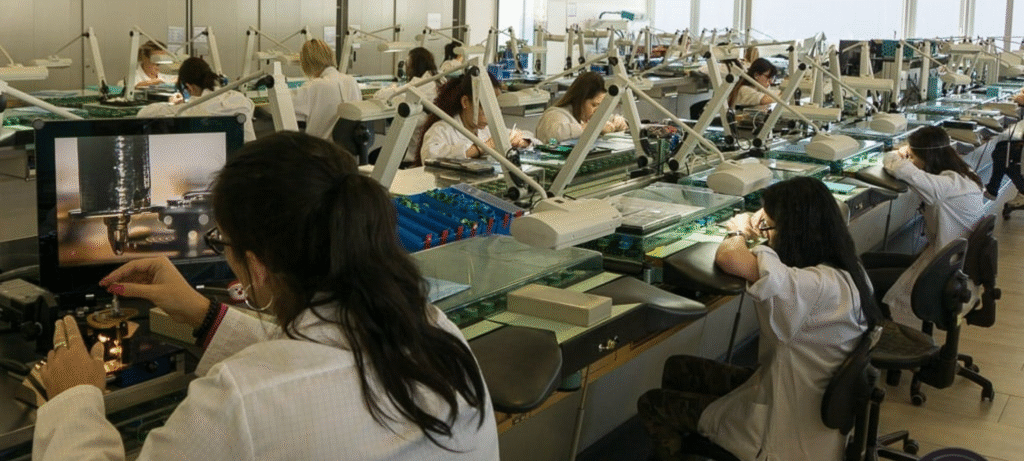
The Quartz Crisis represented the most profound challenge to Swiss horology in modern history. Japanese manufacturers, led by Seiko and others, introduced highly accurate, inexpensive quartz movements that redefined consumer expectations. Traditional mechanical houses, particularly mid-sized producers like Dubois et fils, faced a stark choice: pivot to quartz, consolidate, or risk closure. Dubois et fils chose a strategy of measured endurance, maintaining mechanical production while preserving expertise, historical calibres, and artisanal skill. This approach required discipline: fewer watches were produced, and each movement received meticulous attention, ensuring that quality remained paramount. While competitors either collapsed, embraced mass-produced quartz, or relied heavily on marketing to survive, Dubois et fils quietly sustained its technical and historical identity. This investment would later pay dividends as the market shifted once more toward mechanical authenticity.
Production volumes shrank, visibility declined, and the once-proud name became more of a footnote than a headline in Swiss horology. For enthusiasts, these were the wilderness years — the period when the DuBois et fils name risked slipping into obscurity.
Yet beneath the surface, a crucial element of their identity was preserved: their movements. Unlike brands that scrapped or liquidated old stock, DuBois et fils retained a reservoir of historical calibres, ranging from the 1930s through to the 1970s, including ebauches from suppliers like Felsa and A. Schild. This archive, vast in scope, became their sleeping treasure — a warehouse of mechanical heritage that could one day be reawakened. In hindsight, this hoarding of movements was a masterstroke, even if unintentional at the time, for it would later form the foundation of their modern revival.The turn of the 21st century would prove decisive. While the brand name still existed, it lacked momentum, recognition, and a clear strategy to differentiate itself from countless other Swiss houses struggling for identity. This changed in 2010 when Thomas Steinemann, a figure with long-standing industry experience and a keen sense for both heritage and marketing, acquired DuBois et fils.

His arrival was not merely a change of leadership; it was a deliberate attempt to reimagine what a heritage brand could be in the digital age. Steinemann understood that DuBois et fils could never compete head-on with Rolex or Omega in scale or advertising power, but it could carve out its own territory by leaning into authenticity and exclusivity. The centuries-old history of the firm, the legitimacy of its founding in 1785, and the vast reservoir of untouched vintage movements became the raw materials for a new identity.
Steinemann’s revival was unconventional from the start. In 2012, DuBois et fils launched what they called the world’s first watch brand equity crowdfunding campaign, inviting enthusiasts not simply to buy watches but to become shareholders. This was not a mere gimmick; it was a philosophical repositioning. By opening the door for collectors and enthusiasts to literally buy into the company, DuBois et fils reframed itself as a participatory brand, one in which ownership extended beyond the watch to the business itself. For a company whose name had always carried the “fils” — the sons — there was a certain poetic continuity here, as if the family now included a global network of modern “heirs” helping to sustain the name. It also gave the company much-needed capital without resorting to the kind of corporate dilution or conglomerate absorption that has swallowed many other smaller Swiss marques.
Alongside this shareholder campaign, the brand leaned heavily into its unique stock of historical movements. These were not museum pieces destined for static display but functional, restorable calibres that could be fitted into contemporary cases and offered to buyers as living fragments of horological history. By advertising that their watches housed genuine vintage movements, DuBois et fils tapped into the growing appetite among collectors for authenticity. At a time when many luxury watches were defined by newly developed in-house calibres or outsourced generic movements, the idea of wearing a piece whose beating heart was decades old — yet newly serviced and warrantied — was distinctive. It tied the buyer to a tangible past, not a marketing construct. Here, Steinemann’s vision showed both audacity and practicality: the company did not have the resources to design and manufacture new movements at scale, but it possessed something equally valuable, a treasure trove of mechanical heritage.
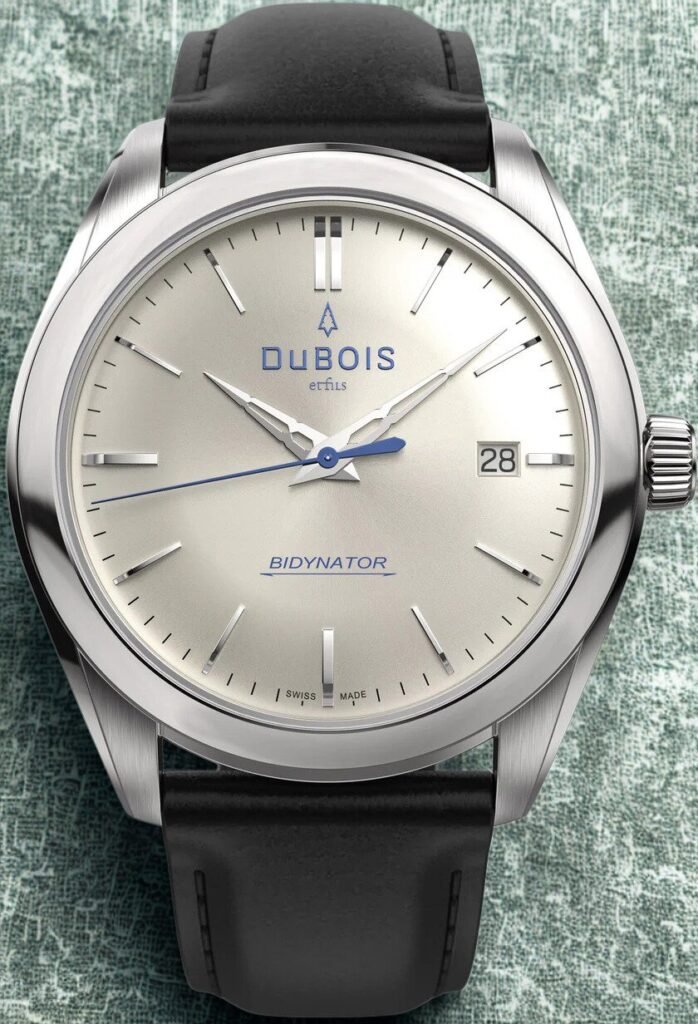
The first modern series under this strategy, the DBF006, emerged as a clear statement of intent. Limited in production, these watches showcased restored vintage movements from the company’s archives, housed in contemporary cases that balanced modern robustness with classical elegance. The design was restrained but not dull, a nod to the brand’s 18th- and 19th-century roots without being trapped by them. Later series, such as the DBF007, DBF008, and DBF009, followed the same philosophy: limited runs, movements drawn from historical stock, and a collector’s sensibility in both presentation and distribution. Each release was not simply a product but an event, reinforcing the idea that buying a DuBois et fils watch was as much about joining a community as acquiring a timepiece.
Yet this strategy was not without controversy. Some critics argued that relying on vintage movements risked inconsistency, as servicing and part availability can vary greatly depending on the calibre in question. Others questioned whether a movement originally designed in the mid-20th century, however well restored, could justify the luxury prices charged today. For them, the brand was trading too heavily on nostalgia, selling watches at a premium on the basis of “historical value” rather than on the strength of contemporary innovation. Supporters countered that this was precisely the point: in a world where so many brands boast about in-house movements that may or may not stand the test of time, DuBois et fils offered something tangible, a direct line to Swiss horology’s golden age. To them, the use of historical stock was not a weakness but a form of integrity, a refusal to waste heritage in pursuit of novelty.
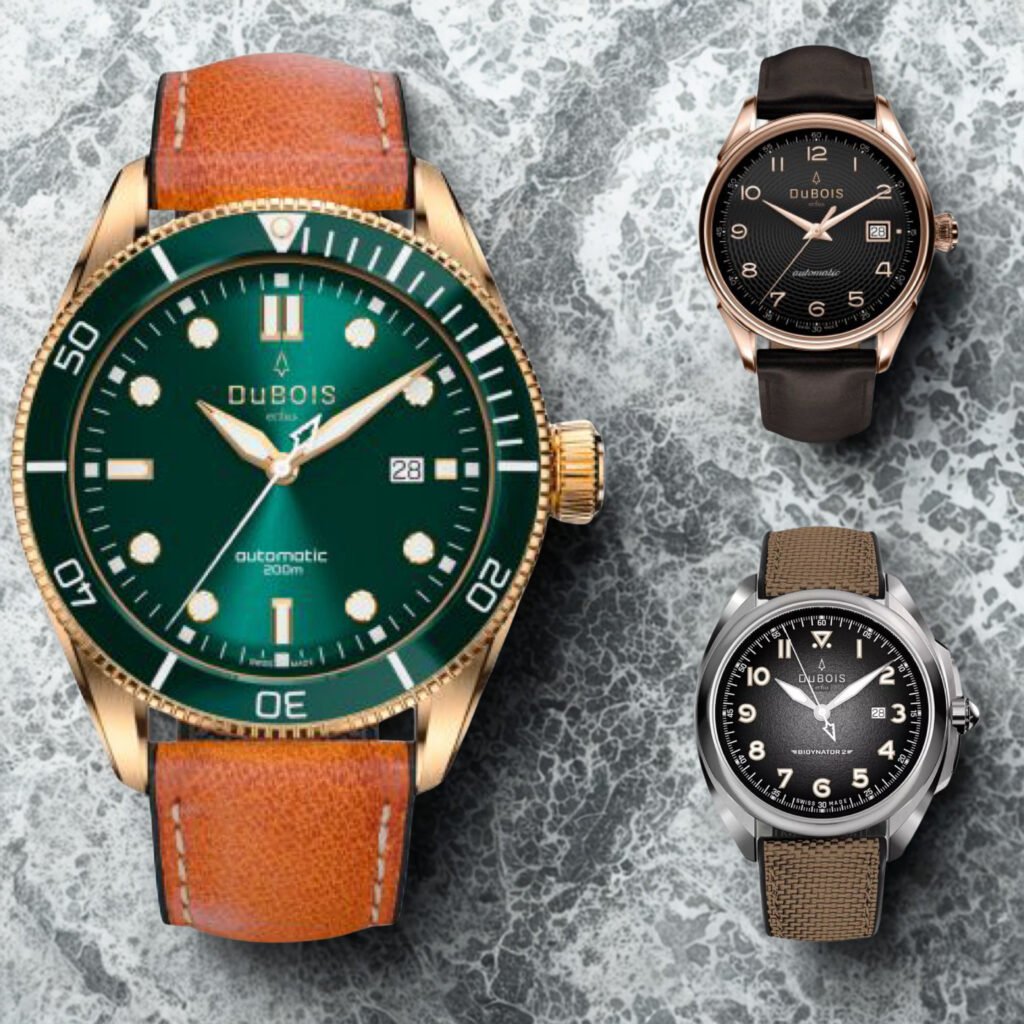
Central to this debate is pricing. DuBois et fils watches are not inexpensive, often commanding prices that place them in direct competition with established luxury players. The justification lies in their limited production, their centuries-old brand name, and the uniqueness of wearing a piece with a restored vintage movement. But this is a fine line to tread. On one side, it creates scarcity and desirability, appealing to collectors who see the watches as investments in both craftsmanship and history. On the other hand, it risks alienating buyers who view the same pieces as overpriced when compared to modern watches with state-of-the-art engineering, higher water resistance, or more aggressive marketing presence. The tension between these perspectives is part of what makes DuBois et fils such a fascinating case study in modern watchmaking: a brand simultaneously revered for its authenticity and questioned for its value proposition.
What cannot be denied is the impact Thomas Steinemann has had on shaping this narrative. His leadership has ensured that DuBois et fils remains relevant, not by mimicking larger brands but by positioning itself as something different: the oldest Swiss watch factory still in operation, yet operating with a thoroughly modern sense of community and engagement. The shareholder model has fostered a loyal base of supporters who see themselves not just as customers but as guardians of the brand’s legacy. The strategy of utilising old stock movements has given DuBois et fils a unique selling point that no other brand can claim in quite the same way. Even the company’s embrace of blockchain and digital certificates for its watches reflects a willingness to fuse tradition with innovation, to ensure that its heritage is not trapped in the past but continues to adapt.
Of course, impartiality requires recognising limitations. The company’s production scale is small, and this both enhances exclusivity and constrains visibility. Unlike Rolex or Omega, DuBois et fils is not a household name, and it lacks the after-sales infrastructure that gives customers confidence in long-term serviceability. While their restored movements are charming and historically rich, they may not appeal to buyers who want cutting-edge accuracy or who prefer the security of an easily serviceable calibre made today in large quantities. Furthermore, their marketing strategy, while authentic, can come across as niche — resonating with enthusiasts who already care deeply about horological history but less so with newcomers simply looking for a reliable luxury watch.
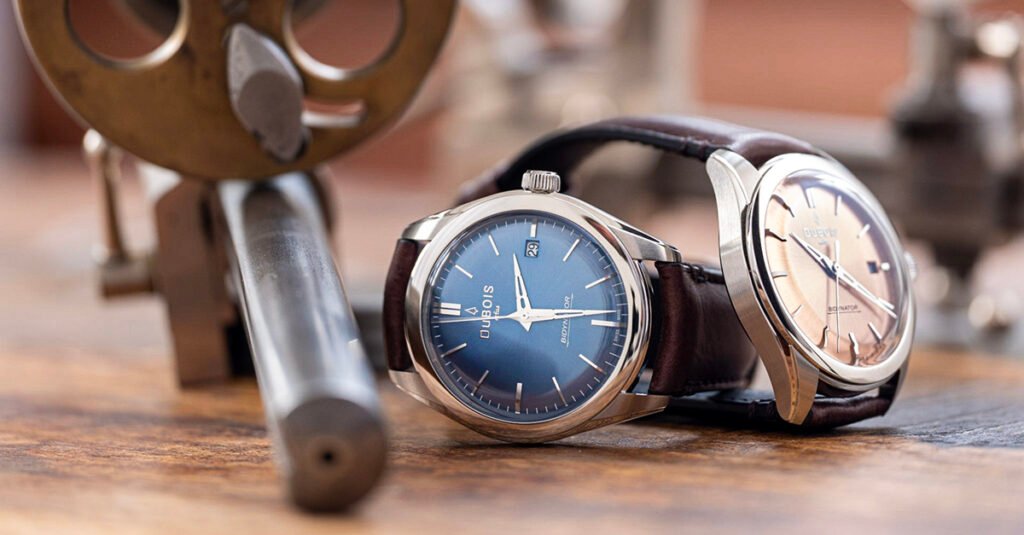
And yet, it is precisely these qualities that define the brand. DuBois et fils is not trying to be everything to everyone. It is a specialist, a custodian of history, a company that has survived centuries by adapting in ways that may not always make it the most visible but have ensured its survival. From Moïse DuBois’s first ventures into watch trading in 1743, to Philippe’s formal establishment of the company in 1785, through its 19th-century expansion into Europe and America, its early adoption of wristwatches, its experimental Autorist in 1931, its embrace of efficient automatic movements in the mid-20th century, its struggles through the quartz crisis, and finally its revival under Steinemann, the brand has shown an extraordinary resilience. It has morphed, contracted, expanded, and reinvented itself, but always with a thread of continuity: the belief that watches are not just instruments of time but embodiments of heritage.
Today, when a collector buys a DuBois et fils watch, they are not just buying steel, gold, and gears. They are buying into a story that stretches back nearly 300 years, into a lineage of traders and makers, of innovations that sometimes succeeded and sometimes fell short, of a company that has faced near-oblivion yet found ways to return. Whether or not one believes the prices are justified, whether one prizes the restored vintage movements as treasures or views them with scepticism, there is no denying that the brand occupies a space in horology that no other does quite the same way. It is both a relic and a pioneer, a paradox that thrives on the very contradictions it embodies.
What makes the Phillips, Dubois et fils story particularly compelling is that it does not exist in isolation. It reflects a broader movement within Swiss watchmaking, one where dormant names are reawakened and presented to a new generation of buyers as conduits of authenticity. We have seen echoes of this with Angelus, whose historic name was revived with bold, futuristic designs, and with Favre-Leuba, another old Le Locle house repositioned in recent years around adventurous tool watches. Even Doxa, with its resurrection of the Sub 300 as a cult diver, demonstrates how history can be reframed for modern appetites. Yet none have taken quite the same approach as Phillips Dubois, whose reliance on untouched vintage movements makes them not only a curator of their own past but also an anomaly in the modern landscape. This raises questions worth pursuing in greater depth. How does the collector community truly respond to such strategies? Does the presence of an old calibre genuinely justify a premium, or does it reveal the hunger for narrative over mechanical innovation? And more broadly, what does it say about watch culture today that entire companies can survive, not on the promise of the new, but on the allure of the old? These are questions that stretch beyond one brand and into the very heart of modern horology, and it is there that our exploration will next continue.