 Just About Watches

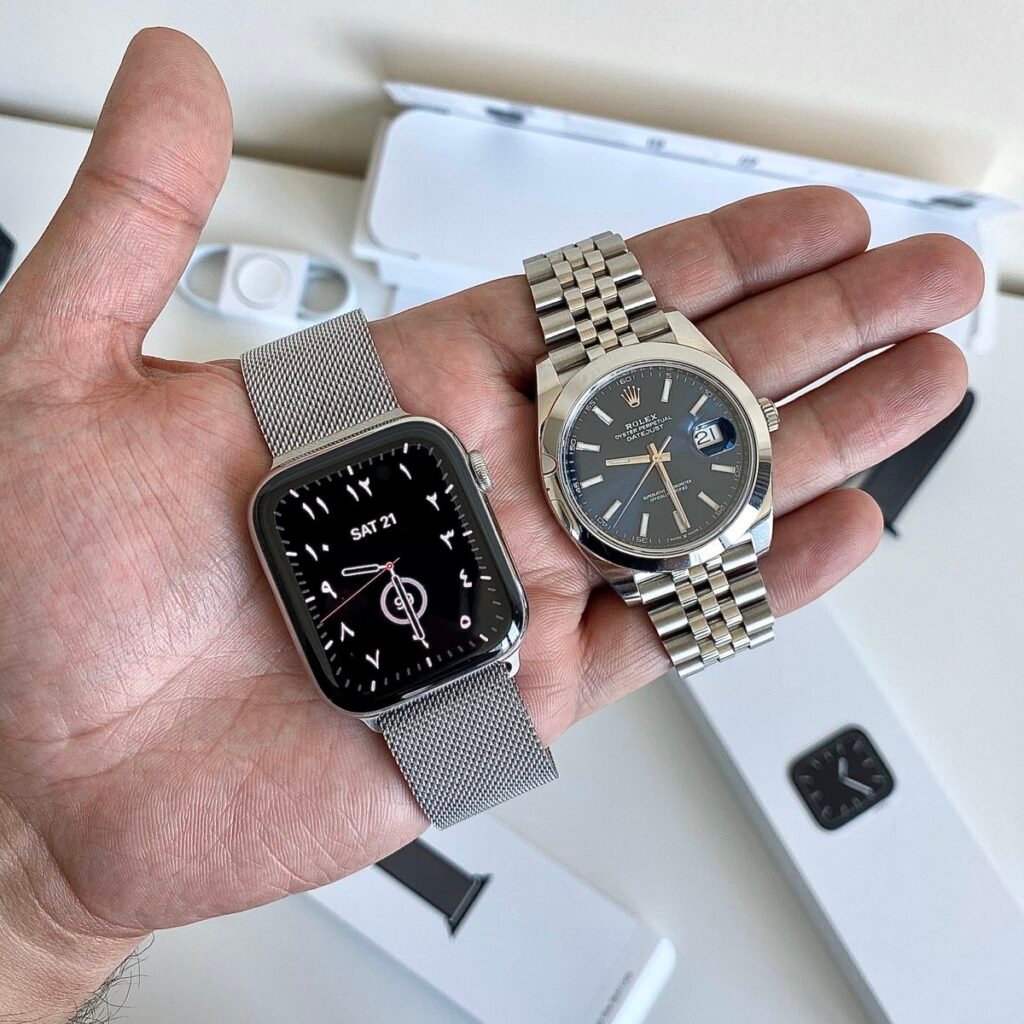
s a smartwatch really a watch? It’s the kind of question that sounds simple until you begin to press at it, and then it turns slippery in your hands. We throw the word “watch” at anything strapped to the wrist that shows the hour, and for many, that’s all that matters: the dictionary nods, the display tells the time, so case closed. But the moment you start to look at origin, intention and meaning—the provenance of craft, the architecture of purpose—you realise two different genealogies are sitting on the same shelf and we’ve been using the same label for both. One is a lineage of escapements, metallurgy, finishing and ritual. The other is a lineage of silicon, sensors, interfaces and ephemeral platform economies. Both are wrist-borne; both tell the hour, but their hearts beat to different clocks. To ask whether a smartwatch is “really” a watch is to ask not only about function but about identity: what we expect of timekeepers, what we forgive them for, and how their meanings ripple across culture and life.
Start at the beginning, and the distinction is clearer. The watch, historically speaking, emerged as an instrument whose entire raison d’être was to record, regulate and, increasingly, to beautify the passage of time. Whether it is a pocket chronometer, a field-issue manual-wind, or a highly complicated minute repeater in a platinum case, its purpose—the gravity of its project—is telling time with dignity, precision and, often, permanence. Craft matters because the watch’s function depends on craft. Gears meet pivots in a choreography where finish, material and geometry determine performance. A watch’s value is knitted into that web: reliability, longevity, reparability and pedigree. A well-made mechanical watch is designed to outlast its maker’s lifetime; it is planned to be serviced, to be taken apart and put back together by human hands, to accumulate scars and stories. That’s part of why collectors love them—because a watch can be a biography written in metal.
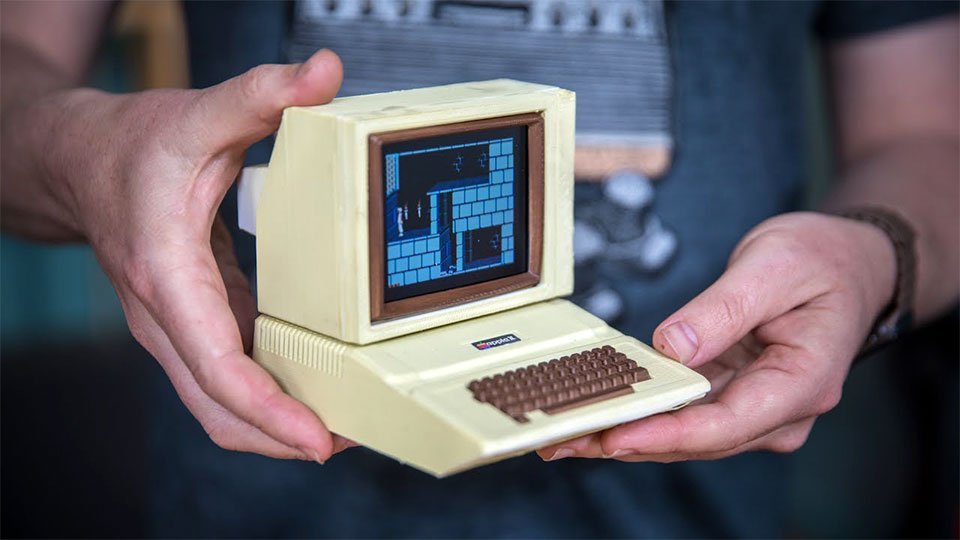
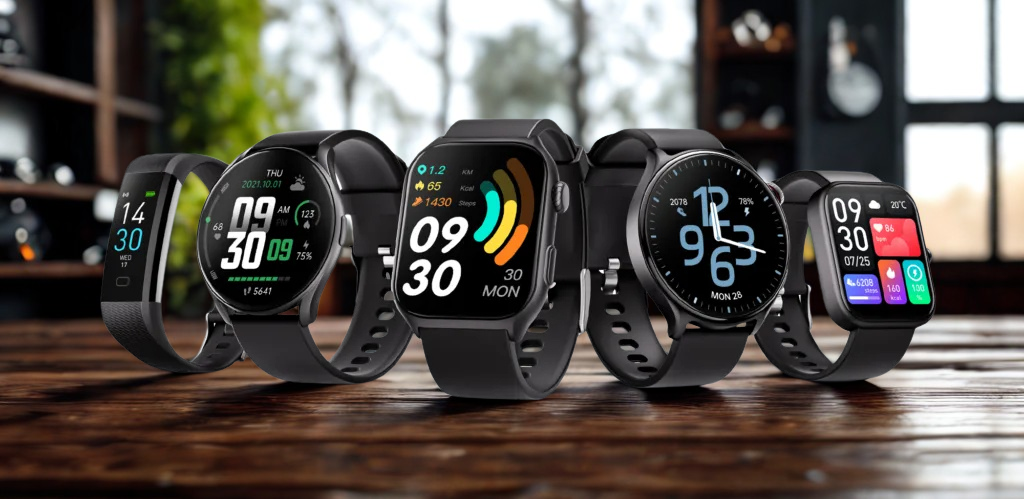
Smartwatches, by contrast, are born of a different family tree. Their ancestors are not centuries of horology but decades of miniaturised electronics, mobile computing, and ubiquitous connectivity. The smartwatch is essentially a wearables platform: a small, immediate personal computer that happens to display the time. Its DNA is interface-led—apps, notifications, sensors, Bluetooth stacks—not gear trains and hairsprings. Where the traditional watch’s primary ontological object is time, the smartwatch’s primary object is user interaction. It measures you—the steps you take, the rhythm of your heart, the languages you write in; it funnels your data to a broader economy and, often, to the cloud. When that is the case, the time display is more like the clock on your phone’s home screen than the reason you chose the device in the first place.
All this might look like hair-splitting until you consider what people actually do with smartwatches. For many wearers, the watch function is incidental: a convenient by-product of something designed to manage life flow—appointments, messages, fitness zones, navigation. For others, it’s essential medical hardware that monitors heart rhythm, measures oxygen saturation, detects falls and, in some cases, helps diagnose conditions. These are capabilities with enormous real-world value, but they move the device away from the classic horological remit. The smartwatch is less about marking the hour than about remediating the human experience in real time. It is not the heir of the marine chronometer; it is the descendant of the mobile phone’s ability to become personal and intimate, condensed to the wrist.
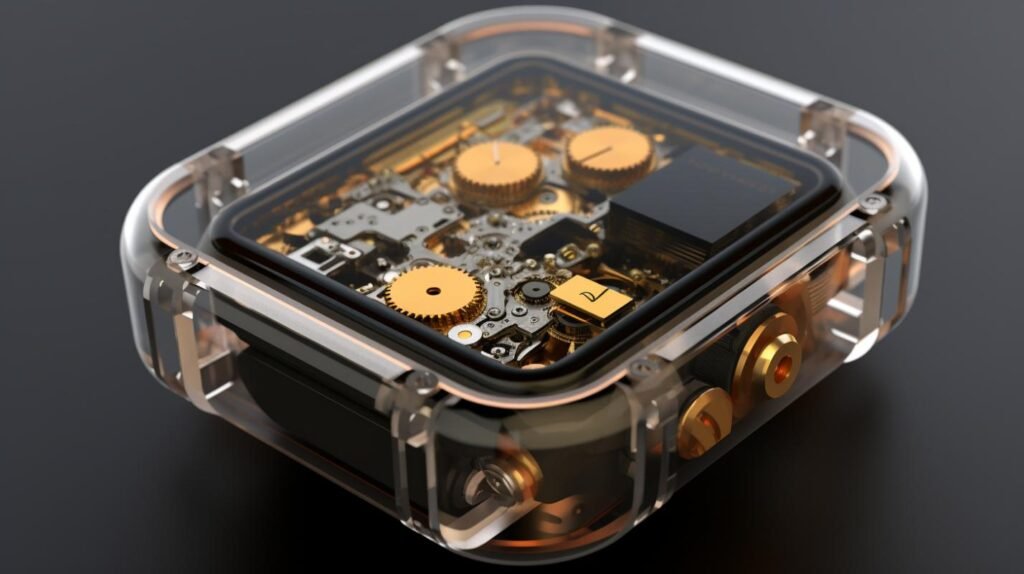
That said, this is not a value judgement. Function is not a morality. Smartwatches are astonishing feats of engineering in their own right. The miniaturisation required to pull sensors, radios, and adequate battery life into a format comfortable for a wrist is formidable. The software engineering—battery optimisation, OS design, haptic feedback tuning, pairing protocols—is equally complex. The fact that you can receive a call on a microphone pressed to your wrist, navigate a route, or have an electrocardiogram recorded while you stand in a supermarket is remarkable. For many people, the smartwatch is the very definition of utility; it is a highly practical tool whose value is delivered in daily increments. You don’t inherit a notification-centred device from your grandfather; you rely on it to keep you alive, organised, or fit in the present.
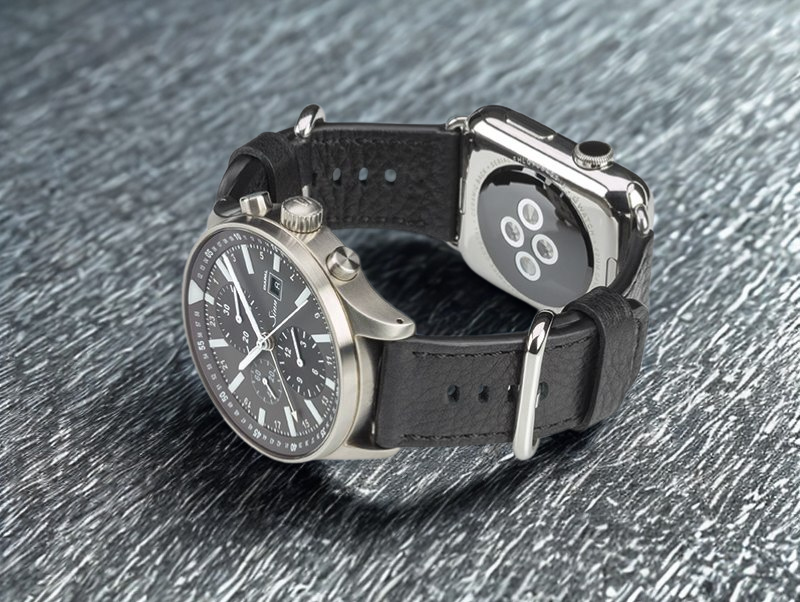
If you approach this as an either/or question, the polarisation becomes frustrating: either you are “traditional” and scorn the Apple Watch, or you are “modern” and scorn the mechanical watch as mammon. The smarter way to think about it is to see them as answering different human needs. The mechanical watch answers long-form human needs: legacy, ritual, aesthetic appreciation. The smartwatch answers short-form human needs: immediate data, health signals, seamless connectivity. They overlap—many people wear both on different wrists to make that point—but they are not the same object psychologically. One talks to history, the other talks to the now. One is meant to be passed down, the other upgraded.
There’s an emotional architecture to that which we should not underestimate. Mechanical watches carry with them narratives: the story of who wore it last, the workshop that finished the dial, the maker whose small brand persisted through austerity. They are objects of memory as much as measurement. The smartwatch, by contrast, is designed for iteration and replacement. Operating system updates, compatibility breaks, battery degradation—these are natural parts of a smartwatch’s life cycle. When a smartwatch dies, you don’t generally send it to be serviced in the same way; you replace it. That disposability is not a character flaw—many industries embrace refresh cycles—but it does alter the emotional bond. People bond to objects that grow old with them; they bond differently to objects that get replaced by better hardware next year.
The divergence in lifespan raises ethical and environmental questions too. Traditional watches, particularly the mechanical kind, are often designed to be repaired. The right screwdriver and enough patience can keep a movement running indefinitely. Smartwatches rely on delicate, miniaturised components and integrated batteries that are not designed for repeated disassembly. The result is shorter lifespans and, given the scale of production, an environmental impact that’s not negligible. Design choices therefore have commensurate moral consequences: choosing permanence, serviceability and timeless materials when possible produces different externalities than designing for rapid obsolescence. That doesn’t mean we must romanticise slow goods and demonise all fast ones, but it does call for honest appraisal of costs and trade-offs.
Another dimension where the difference is stark is in the language used to evaluate value. With mechanical watches, discussion revolves not just around beauty or function but provenance, rarity, finishing techniques, historical significance—intangibles that are validated by the passage of time and the judgments of connoisseurs, auction rooms and watchmakers. Smartwatch value is frequently appraised through a different lens: platform ubiquity, app ecosystems, health-sensor accuracy, brand lock-in, and update policy. Where horology praises the craft of the hand, the smartwatch era praises the scalability of code. These are not mutually exclusive values, but they are dissimilar, which makes conversation about “value” across the two camps tricky.
Then there’s the design and symbolism. A mechanical watch can be an act of resistance against disposability, an expression of taste, or simply an object of indulgence. Designers build dials to catch light, bevels to age gracefully, and case profiles to sit like a whisper on the wrist; these are decisions made for longevity and for the sensual pleasure of ownership. Smartwatch design, especially in its early days, tended to prioritise interface ergonomics and screen visibility—things that make sense for a device whose core task is interactive. Over time, though, we have seen design cross-pollination: watchmakers releasing smart-enabled bracelets that mimic dial aesthetics, and tech companies offering modular or hybrid designs aimed at those who want a classical look with digital function. This convergence suggests neither side is immutable; rather, they are shifting, overlapping worlds.
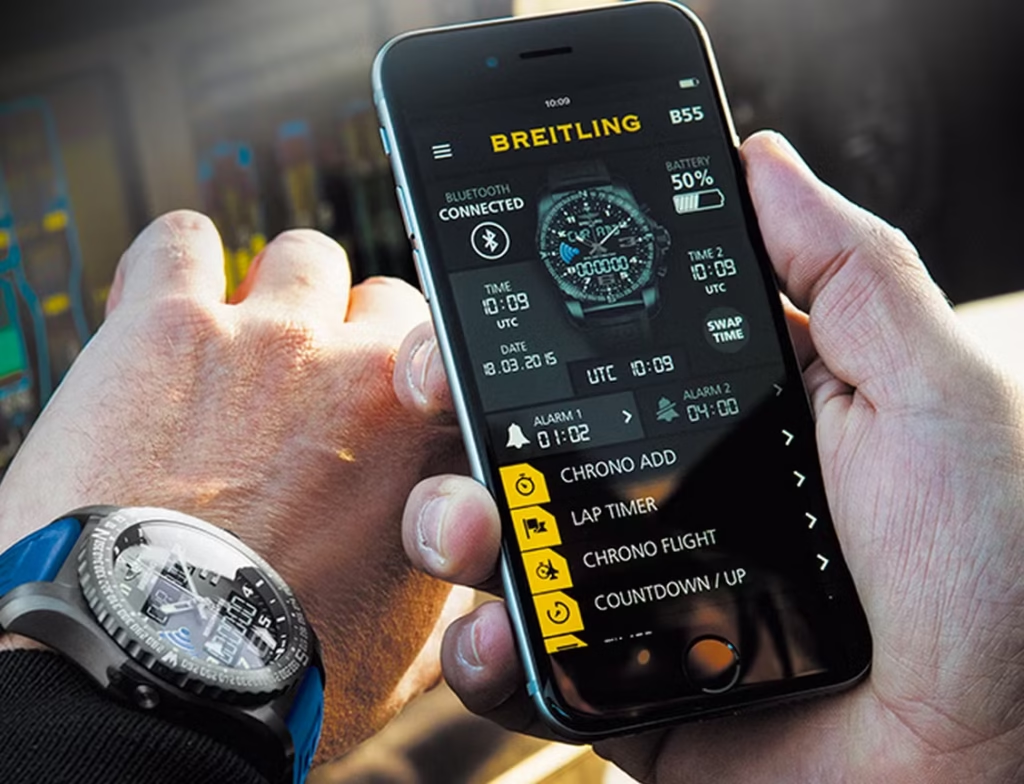
A particularly interesting hybrid is the “hybrid smartwatch” and the new wave of “connected mechanicals” that attempt to combine both genealogies. These watches provide mechanical movements with embedded sensors, or they mask displays beneath classical dials, attempting to respect horological aesthetics while delivering modern utility. They are compromises that work for some people and feel compromised to others, but they are important experiments. They show that the question “Is a smartwatch really a watch?” need not be binary. It can be an invitation to re-think definitions rather than a clause that cuts the field in two.
Yet even as convergence grows, there are cultural consequences to naming. Words shape perception. Calling smartwatches “watches” has consequences beyond semantics because it influences markets, museums, auctions and collectors’ mental models. If everything with a strap and a clock-face is a watch, what becomes the criteria for collectors? What becomes heritage? This redefinition can be liberating—epistemic inclusivity has its virtues—but it can also dilute the specificity of historic crafts. The language of craft matters because it preserves lineage; calling everything a watch risks flattening the distinctions that give meaning to objects that were produced under very different logics.
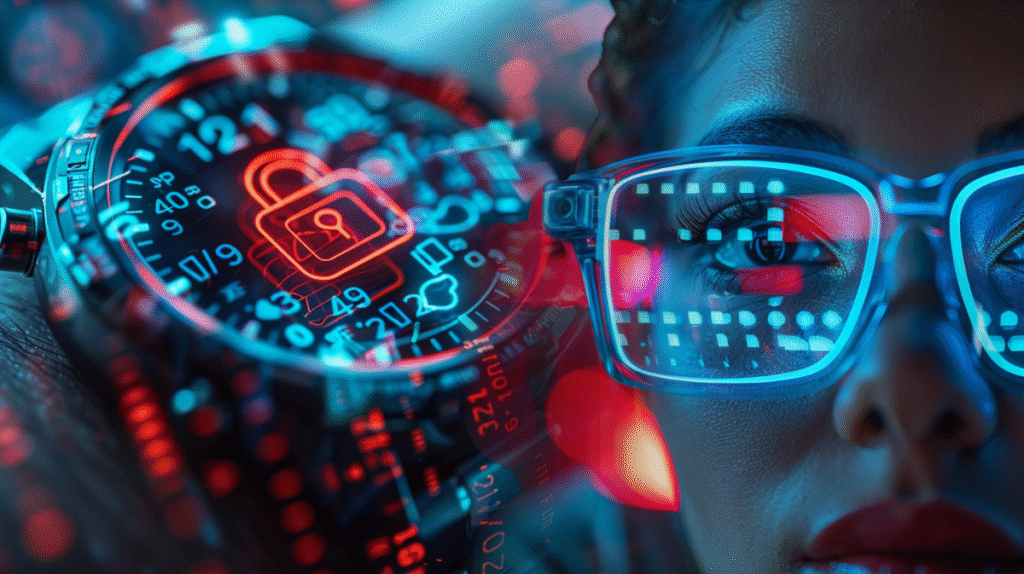
Privacy and data also complicate the picture. A mechanical watch doesn’t log your movements or sell your health metrics; a smartwatch does, potentially. That difference matters in the era of surveillance capitalism. Wearables are not just passive tools; they are nodes in information networks that can be monetised, regulated, or subpoenaed. Owning a smartwatch invites governance questions: who owns the biometric data you generate? How long is it stored? What are the security vectors for it? These are questions traditional horology never had to ask because the objects were self-contained and analogue. The smartwatch’s power comes with complexity: legal, ethical and technological.
So where does all of this lead us? Into possibility, not nihilism. The future is less about whether a smartwatch is “really” a watch and more about how these distinct languages will converse. We can imagine numerous trajectories. One is continued separation: high horology doubling down on craft, scarcity and legacy; tech wearables doubling down on integration, sensors, and ecosystems. Another trajectory is hybridisation: more tasteful, repairable connected devices; software thoughtfully integrated into beautifully made cases; longevity and serviceability baked into the chipset lifecycle. A third is convergence via regulation and standards that nudge manufacturers toward sustainability and interoperability—creating a world in which your timekeeper can be both elegant and ethically designed.
Technologically, we can expect several realistic developments that push the idea of what a watch can be. Battery technology is the obvious bottleneck; innovation here—through energy harvesting, vastly improved solid-state batteries, or ultra-efficient displays—could extend the life of connected devices and change the calculus around obsolescence. Advances in materials could produce screens that live longer and batteries that do not degrade as rapidly, making repair and replacement much more feasible. On the software side, modularity and standards would reduce vendor lock-in and allow hardware to outlast software cycles; imagine an ecosystem where you can upgrade the platform without replacing the case or strap. That would change how we think about lifetime value and might usher in devices that straddle craft and code more gracefully.
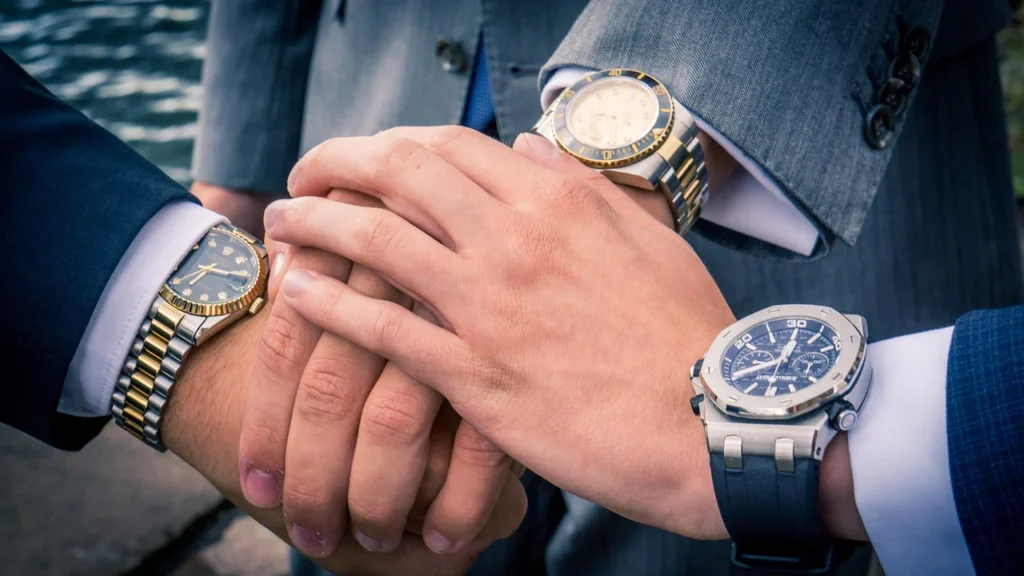
There’s also the human factor: taste, memory, ritual. As long as people find meaning in objects—especially objects that map onto identity and memory—mechanical watches will keep a unique place. A hand-finished dial catches the light in ways a screen cannot; a sound made by metal striking metal triggers memory associative networks differently than a haptic buzz. That doesn’t make screens worthless; it makes them different. The smart future of wristwear is likely to be pluralistic, not monolithic. We will see wrists that host a spectrum of devices: a vintage watch for ceremony and identity, a smartwatch for utility, a hybrid for the middle ground.
We should, too, remain attuned to the social meanings at stake. The cultural status of watches has always been performative to an extent—status, taste, aspiration. Smartwatches have changed the grammar of that performance: their symbols now include health metrics and productivity dashboards, as much as gold and enamel. That can democratise aspects of the field—someone with modest means can access data that enhances their life—while it simultaneously reorients prestige around different signals. The kinds of bragging rights about dials and lugs that enthralled collectors for generations are now joined by bragging rights about run metrics and sleep scores. It’s messy. It’s human.
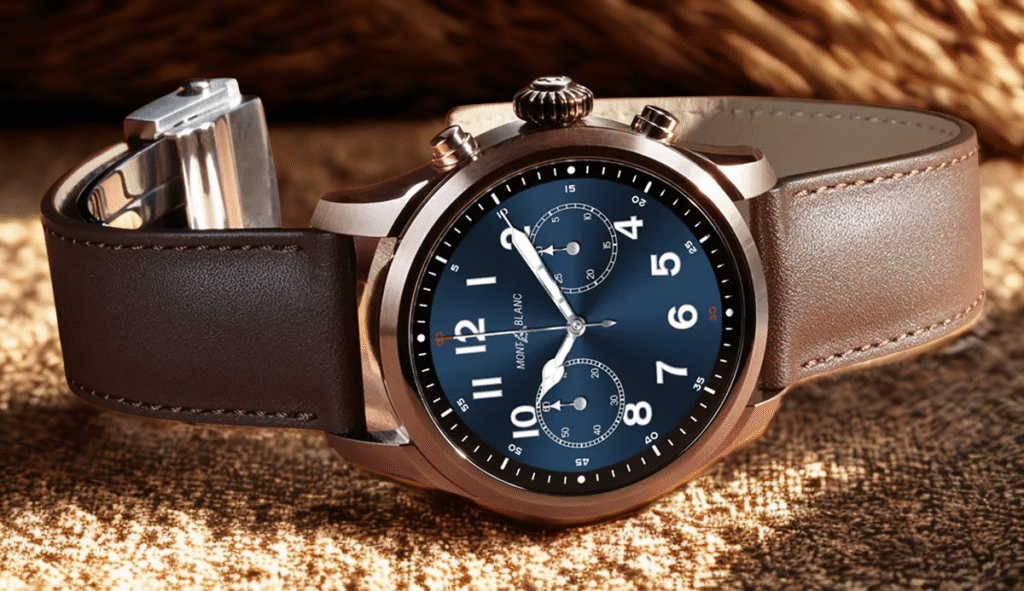
So, is a smartwatch really a watch? The short answer is technically yes: it tells the time and is worn on the wrist. The longer, more useful answer is that a smartwatch is not the same kind of watch that watchmakers have been crafting for centuries. It is a different instrument that borrows the form of the wristwatch to do different work. That difference matters to how we preserve history, evaluate craft, legislate privacy, and design for the planet. But that difference also opens possibilities: the chance to re-imagine what a watch can do, to merge strengths rather than erase distinctions, and to build devices that honour both time and the life that moves through it.
If you own one, love it, depend on it—wear it boldly. If you treasure a Heuer or a Vacheron—wear that too, and resist the urge to justify your affection by ROI or utility. Wear both if it pleases you: a mechanical for the soul, a smartwatch for the day’s management. And when you argue about definitions in the bar or on a forum, remember this: definitions are tools, not cages. We must use them precisely when they help us speak clearly about craft and value, and we must loosen them when they prevent honest conversation about innovation.
In the end, perhaps we do need a new lexicon. A “watch” might remain the watch of horology—an object oriented to the stewardship of time. A “wrist computer” might be the category that includes smartwatches, wearables and hybrid platforms—objects oriented to the stewardship of the self. But until language catches up with practice, we will continue to use “watch” as a catch-all. That’s harmless enough if we have the decency to be precise when it matters. The watch world, broad and strange as it is, has room for many dialects. The mechanical pocket and the silicon wrist can coexist, and both can enrich our relationship with time. We can be loyal to heritage without being hostile to innovation. We can preserve the past without fossilising it.
That is the only position that feels honest to us: include without erasing; critique without contempt; welcome utility without letting it flatten the meaning of craft. Smartwatches are not the death of watchmaking. They are, instead, a new chapter in a long human story about how we mark, measure and live through time. They challenge watchmakers to reflect, adapt and remember why people fell in love with timepieces in the first place. They challenge collectors to think more broadly about value. And they challenge all of us to ask, as we strap something to our wrists each morning, what we want our relationship with time to mean. We don’t need to decide today whether a smartwatch is “really” a watch. We need to keep asking better questions: what responsibilities do makers have, what future do we want to preserve, and what stories ought we to keep telling? Those questions are what turn a device into an object of culture. They are also the questions that will ensure that, whether mechanical or silicon, the objects we wear on our wrists remain as meaningful as the hours they show.