 Just About Watches

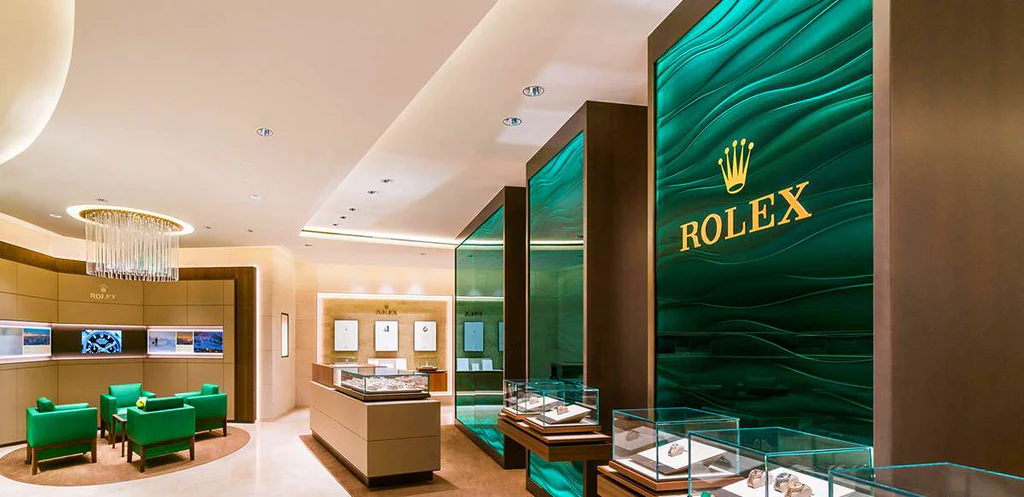
Strip it all down, and what we’re looking at is a watch—a device designed to tell time, mass produced with extreme precision by a company that makes upwards of a million of them a year. Yet the way people describe the process of acquiring certain Rolex models gives the impression that they’ve uncovered a hidden artefact or secured something profoundly rare. The irony is that the product is often neither rare nor customised, and yet the perception of rarity—more importantly, the narrative of rarity—is so perfectly maintained that it becomes real in the minds of those involved. The authorised dealer (AD) plays the role of gatekeeper, not unlike a maître d’ at a restaurant with no menu, guiding you toward a dish you may or may not have asked for but are expected to be grateful for nonetheless. And once you’re in, once the velvet curtain parts just enough for your wrist to slip through, the social capital is undeniable. Whether you believe in it or not, it exists. You don’t just own the watch—you’ve earned your place. Or so the story goes.
Across Reddit threads and WatchUSeek forums, the “got the call” moment has become a ritual of its own. On r/Rolex, you’ll see a cascade of posts that follow the same ritualistic choreography: an anxious wait, a message received at an unexpected hour, and the inevitable online broadcast, often before the watch even leaves the store. The photo is almost always the same—green box in hand, wrist bare, perhaps a coffee mug in the frame for scale. Comments flood in: congratulations, envy, disbelief. Every post reinforces the mythology, as though collective attention can amplify its reality. The person posting is simultaneously the audience and the performer, fully aware that the act of being seen confirms the social narrative of exclusivity. It is theatre, staged yet deeply felt.
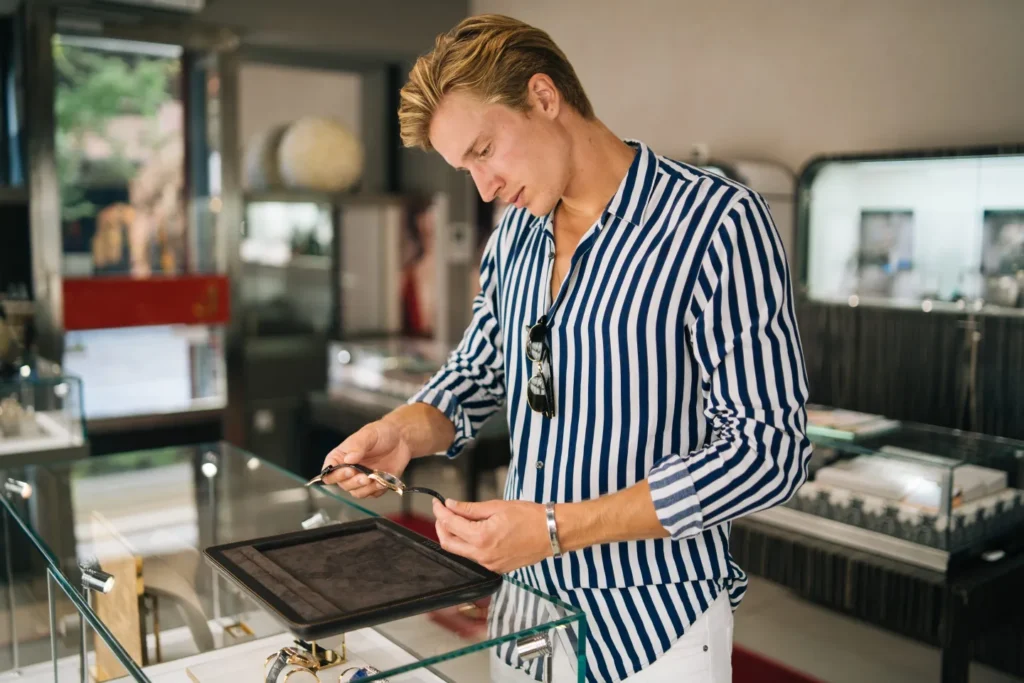
In boutiques, the script is similarly choreographed. The AD’s smile is measured, the tone of voice precise, the phrasing deliberate: “We have something you might be interested in.” That pause, slight but calculated, is the linchpin of the experience. It signals both possibility and privilege. Customers stand in silent anticipation, sometimes rehearsing responses, sometimes pretending casual interest while their pulse accelerates. Every motion, every word, is part of the performance. Even the arrangement of watches in the case contributes: models no one wants are displayed prominently, the coveted ones are absent or subtly teased. One feels the centuries of ritual in the modern boutique—the nods, the whispers, the invisible hierarchy of who may touch the crown.
The theatre extends to social media. YouTube unboxings, Instagram reels, TikTok snippets—each participant enacts a slightly different ritual, yet all share the same themes: waiting, patience, and exaltation. One video I stumbled upon showed a man literally pacing outside his AD while speaking on the phone, narrating each stage of the allocation process as if reporting from the front line of a siege. Another posted a carousel of images showing his journey: walking past the boutique, entering the store, the slow unveiling of the green box. Each step dramatised the mundane transaction, turning a sale into a near-mythical event. The absurdity is palpable, yet within the community, these performances are accepted, celebrated, and even aspirational.
Yet, for all its seeming reverence, the system is undeniably farcical. Many “calls” are less about merit and more about chance—or optics. A collector might wait two years to receive the call, while a newer client, with less purchase history, receives theirs in weeks. Social media amplifies the disparity, as those fortunate few post triumphant selfies while countless others simmer in the background. On Reddit, threads regularly devolve into confessions, grievances, and debates about fairness. Some enthusiasts have charted the allocation patterns of multiple boutiques, publishing detailed spreadsheets with rumours of who got what and when. Others have faked calls entirely, staging photos and captions to maintain their perceived status within the community. The myth sustains itself, regardless of the underlying reality.
The AD’s role is critical here. They are both gatekeepers and conductors, trained to enforce scarcity while cultivating desire. Many long-time boutique employees will tell you they are instructed to maintain an aura of discretion and subtlety, never promising a specific reference outright, even if it sits in the back office. The “call” itself is an orchestrated act: a mix of relationship management, psychological insight, and occasionally, sheer luck. Clients often describe it as a test of patience, diplomacy, and self-restraint—skills that have more in common with courtly etiquette than retail. A misstep—a misphrased email, a hint of entitlement—can result in delayed or denied allocations. The dance is exacting, ceremonial, and entirely human.
This theatre works because it taps into universal human behaviours. Anthropologists have long studied initiation rituals, rites of passage, and the social reinforcement of belonging. The “call from the AD” fits neatly into that framework: enduring the wait demonstrates worthiness; receiving the call confers inclusion; sharing it online reaffirms social capital. Even the dopamine-fuelled cycles of anticipation and near-misses mirror principles found in gaming, gambling, and digital social validation. The watch, ironically, is secondary. It is proof, not purpose.
There’s a curious interplay between public and private performance, too. A collector might receive the call, document the moment online, and watch their post ripple through forums and feeds. Comments, likes, and shares become modern accolades, amplifying the ritual’s significance. On Instagram, hashtags like #gotthecall or #RolexADLife serve as shorthand for belonging. Every congratulatory message reinforces the narrative that the buyer has crossed an invisible threshold from outsider to insider. In essence, the myth propagates itself through communal affirmation.

And yet, the system can be cruelly arbitrary. Stories abound of enthusiasts ignored for years, while others leapfrog lists seemingly without effort. On Reddit, I’ve seen threads where collectors meticulously track each AD visit, every subtle reference drop, only to face indefinite delays. Others report receiving a call for the “wrong” model, compelled to accept it for fear of losing future access. There are even documented cases of buyers cultivating entire purchase histories—Datejusts, Day-Dates, jewellery, Tudor pieces—merely to signal loyalty. It is a subtle, high-stakes game of social chess, played under the guise of retail. Rolex’s brilliance lies in its orchestration of ambiguity. They neither confirm nor deny waiting lists for them. They say nothing, and the silence speaks volumes. Scarcity, then, becomes a psychological construct, whispered into life by ADs and amplified by enthusiasts themselves. The brand does not need to shout; the myth builds organically.
Contrast this with other luxury brands. Omega, Grand Seiko, and independent ateliers handle allocation differently—often more transparently, sometimes more liberally. Yet few achieve the same cultural gravity because they haven’t mastered the ritualised theatre. Rolex has, quite deliberately or not, transformed scarcity into social capital. To receive the call is not to acquire a watch but to attain recognition. It’s a crown conferred without ceremony, a knighthood granted by CRM and telephone.
Even in its absurdity, the ritual is fascinating. One Reddit post chronicled a collector who waited five years for a stainless-steel Daytona, documenting each visit to the boutique, every email, and even the small talk with the receptionist. When the call finally came, he recorded a video, narrating his jubilation and disbelief. His audience of thousands commented, applauded, and shared their own stories. The experience became bigger than the watch itself. And that, more than anything, demonstrates the subtle genius of the system: it converts waiting into meaning, patience into prestige, and mundane sales into mythic milestones. It is here that the “call” reaches its most curious dimension: psychological ownership before physical ownership.

The moment you hear the AD’s voice, you feel entitled to the watch, even if it sits across town in a vault. You begin to imagine it on your wrist, how it catches light, how it feels against skin. Social proof reinforces your sense of achievement; you have earned the right to be seen, to share, to perform. In these moments, the Rolex ceases to be a device and becomes a marker of identity, a digital badge of honour, a signal to the world that you exist in the right circles. The absurdity of the system is often where it becomes most entertaining—or exasperating, depending on which side of the velvet rope you occupy. I’ve spoken with collectors who recount waiting years only to be told, with a polite smile, that “your name is on the list, but we currently don’t have anything available.”
The phrasing is precise, deliberately noncommittal. They are told, sometimes by the same AD for the fifth or sixth time, that patience is the virtue, loyalty the currency. And yet, on the very same week, someone else strolls in, a name barely in the system, and the green box appears as though by divine intervention. Social media amplifies this inconsistency into legend. Screenshots of texts, emails, and even phone call logs circulate within collector circles as evidence of the capriciousness of the process. The myth of the call thrives on this tension between fairness and whimsy, between rigour and chaos.
Some collectors, desperate to maintain status, take farcical measures. I’ve heard of enthusiasts purchasing unrelated Rolex models, not out of desire for those watches, but as a form of signalling: proof of loyalty, proof of intent. One man shared on a forum how he bought three Datejusts he had no interest in, just to “demonstrate commitment” before asking for the ultimate Daytona. Another admitted to repeatedly visiting the same boutique, chatting about irrelevant horological trivia, simply to remain in the AD’s consciousness. Here, the line between passion and performative theatre blurs. The watches themselves are almost incidental; the act of waiting, of showing up, of participating in the ritual, becomes the reward.

And then there’s the online world, where the drama can reach operatic levels. Reddit threads and Instagram comment sections function as informal tribunals of legitimacy. Posts dissect every perceived advantage: Was the collector a long-term client? Did they previously buy a gold model? Were they recommended by a boutique manager? Observers judge each nuance, sometimes harshly, reinforcing social norms within the collector community. In this theatre, the “call” becomes more than a moment—it is a public performance. Enthusiasts recount the story with exaggerated cadence, as if to ensure every listener feels the weight of the years spent waiting. The reality of the transaction—a sale in a boutique—is entirely subordinate to the mythology surrounding it.
In truth, many of these scenarios border on absurd. Entire spreadsheets, shared in collector forums, attempt to map the probabilities of receiving the call based on variables such as purchase history, boutique location, and even time of year. Users track delivery dates, meticulously noting whether someone in a neighbouring city received theirs first. The process can resemble an academic study of human behaviour more than a retail operation. Some enthusiasts even joke about “Rolex roulette,” highlighting the unpredictability and chance inherent in the system. Yet, the humour does not diminish the intensity of emotion invested; if anything, it adds another layer of shared experience, a communal acknowledgment of the farcical nature of the ritual.
It’s important to note that while these tales often generate laughter—or frustration—they also underscore Rolex’s subtle mastery of desire. Scarcity is not merely a production issue; it is a psychological construct. By withholding, by allowing the anticipation to simmer, by leaving allocation patterns opaque, Rolex has created an ecosystem where the waiting itself confers value. Every denied call, every delayed email, every whispered tip about potential allocations reinforces the mythology. Collectors participate willingly, internalising the rules of the system, elevating patience to a virtue, and transforming uncertainty into social capital.

Meanwhile, the ADs themselves occupy an unusual position. Trained to navigate the delicate balance between exclusivity and accessibility, they operate within strict corporate guidelines yet rely heavily on human judgment. In this way, they are both arbiters and performers. A boutique manager may choose to allocate a coveted model to someone who has demonstrated loyalty, but they may equally be influenced by the nuances of conversation, the personality of the client, or even the timing of a previous purchase. It is a system built on discretion and subtlety, and while occasionally arbitrary, it creates a sense of legitimacy within the mythology of the call.
Even the concept of social proof reinforces the system. Once a collector receives the call and posts their triumph online, it validates the waiting of others. Forum users discuss, comment, and compare, perpetuating the myth. A single Instagram post can generate hundreds of replies, each reinforcing the narrative of exclusivity and the allure of scarcity. The watch, once again, becomes secondary; the story itself assumes precedence. The call, in effect, becomes a form of digital heraldry, announcing not merely ownership but inclusion, achievement, and elevated status within the collector hierarchy.
Yet, the more one examines the process, the more one sees how arbitrary much of it is. Stories abound of collectors ignored for years, while newcomers or perceived favourites receive calls almost immediately. Entire forums are dedicated to tracking allocation patterns, debating fairness, and dissecting the opaque rules that govern access. In many ways, it resembles a complex social experiment, one in which the participants themselves enforce the system’s logic. It is both communal and capricious, structured yet improvisational—a form of modern ritual that is part theatre, part social engineering, and part farce.
Perhaps the most telling aspect of this ritual is the psychological ownership it generates. By the time the call comes, collectors have invested not only money and time but identity and expectation. The watch exists in the mind long before it exists in reality. Imagined wristshots, mental rehearsals, and daydreams of how the timepiece will complement a wardrobe or lifestyle all contribute to a profound sense of entitlement. When the call arrives, it is not merely a sale; it is confirmation of an identity carefully constructed through patience, engagement, and participation in the social theatre.
And yet, there is a quiet irony here. Many who have endured the ritual of waiting describe the moment of acquisition with mixed emotions. Triumph is often tempered by anti-climactic reality: the watch, though technically perfect, may feel underwhelming when removed from the narrative of anticipation. The social performance—the forums, the posts, the collective sighs of envy—may have been the primary source of satisfaction. The watch is, in a sense, proof of a story, rather than the story itself.
The “call” is far from universal. Not every boutique operates with the same degree of ritual, nor does every model require an elaborate waiting period. Yet the myth has become so pervasive that even casual collectors feel compelled to participate in its theatre. In some cases, the waiting list becomes a badge of honour, a signal of seriousness and taste, regardless of whether the watch is ultimately desired or worn. In others, it fosters frustration, resentment, and even performative complaints designed to garner sympathy or respect. Across social media, the extremes of emotion are on display, revealing just how powerful a tool narrative can be in shaping perception and behaviour.
Rolex’s mastery lies in its subtle manipulation of these dynamics without overtly claiming to. The brand does not explicitly promise scarcity, yet scarcity exists. The call is never guaranteed, yet it is coveted. Enthusiasts police the mythology themselves, reinforcing norms, expectations, and rituals. It is a self-sustaining system of desire, a theatre in which the audience both watches and acts, the observer and the performer, the hopeful and the chosen. It is, in every sense, a modern-day knighthood: ceremonial, exclusive, and farcical in equal measure.
And when the call finally comes, the psychological payoff is complex. It is relief, pride, validation, and, often, a subtle emptiness. The narrative tension that sustained longing is suddenly resolved, leaving the collector to reflect on what was actually gained. Was it the watch? Certainly, in part. Was it the social capital? Equally so. But it is perhaps the knowledge of inclusion—the feeling of having been chosen—that resonates most deeply. In that moment, the ritual’s absurdity and brilliance coexist, inseparable and intertwined.
Consider the farcical extremes: collectors staging fake calls, social media posts chronicling mundane arrivals with Oscar-worthy drama, and forums dissecting allocation minutiae with the precision of an academic journal. Each instance highlights the social mechanics underpinning desire, demonstrating that the call is rarely about the watch itself. It is a game of perception, an elaborate dance of patience, attention, and storytelling. The watch is the prop; the narrative is the performance.
Contrast this with other brands, from Omega to independent ateliers, where watches are allocated with relative transparency and less performative drama. The absence of the “call” ritual does not diminish desirability in these cases; rather, it shifts the locus of value. There is less communal theatre, fewer social hierarchies, and less mythology surrounding acquisition. Rolex, by contrast, has created a meta-layer of value that exists largely independent of the physical product. The green box, once received, represents more than timekeeping—it signifies participation, recognition, and validation in a global social ritual.
Ultimately, the call from the AD is a study in human behaviour as much as it is a retail strategy. It exploits psychological principles of scarcity, anticipation, social proof, and identity construction. It functions simultaneously as ritual, theatre, and performance art, with participants eager to play their assigned roles. It is simultaneously sincere and farcical, structured and arbitrary, intensely personal yet publicly performed. The absurdity is part of the allure; the unpredictability, the tension, and the eventual triumph create a narrative that resonates far beyond the watch itself.
And so, we arrive at the paradox at the heart of the call: it is both trivial and profound, mundane and mythic. Collectors wait, endure, perform, and hope, often investing far more than the watch itself is worth in material terms. Yet the experience carries value that transcends commerce—it becomes a form of modern knighthood, a recognition of patience, loyalty, and participation in a shared ritual. It is, at once, absurd, ingenious, and entirely human.
There is no singular truth in all of this. Some see the call as a rite of passage, others as a cleverly orchestrated marketing exercise. Some embrace the ritual for its own sake; others quietly resent its absurdities. Yet regardless of perspective, it is clear that the myth has taken on a life of its own, independent of any single boutique, AD, or collector. The call is more than a transaction—it is a story, a performance, and a social contract, wrapped in green velvet and stainless steel.
And when the moment arrives, when that voice whispers from the other end of the line, it carries with it a weight that is almost ceremonial. It is, in every sense, a modern-day knighthood: not granted by crown or country, but by attention, desire, and narrative. In a world where value is often ephemeral, fleeting, and subjective, the call endures as a testament to the power of story, ritual, and the human need to feel chosen.
Ultimately, the “call” is farcical, brilliant, and profoundly human all at once. It is a reflection of our desire to belong, to be seen, and to participate in a theatre that is both absurd and meaningful. The watches themselves, beautiful as they are, become vessels for these emotions. The green box is less a container for metal and mechanics than a symbol of inclusion, achievement, and status—a narrative object, not just a timepiece. And it is this subtle genius, this fusion of myth, psychology, and ritual, that ensures the call from the AD will continue to fascinate, amuse, frustrate, and captivate collectors for generations to come.
Whether we choose to critique, celebrate, or simply observe, the ritual remains, a monument to the interplay between desire, storytelling, and human behaviour. The call is more than a telephone conversation; it is a rite, a performance, a social theatre where the actors are both willing and unwitting. It is absurd, it is magnificent, it is utterly modern, and it is entirely, unmistakably real.
In the end, it leaves us with a question that is as provocative as it is simple: are we chasing a watch, or are we chasing the experience, the narrative, the inclusion, and the nod that says, “You are in”? Perhaps, in the grand theatre of Rolex, the distinction no longer matters. The call has spoken, and the knighthood, farcical though it may be, has been granted.