 Just About Watches

New Heights in a Changing World
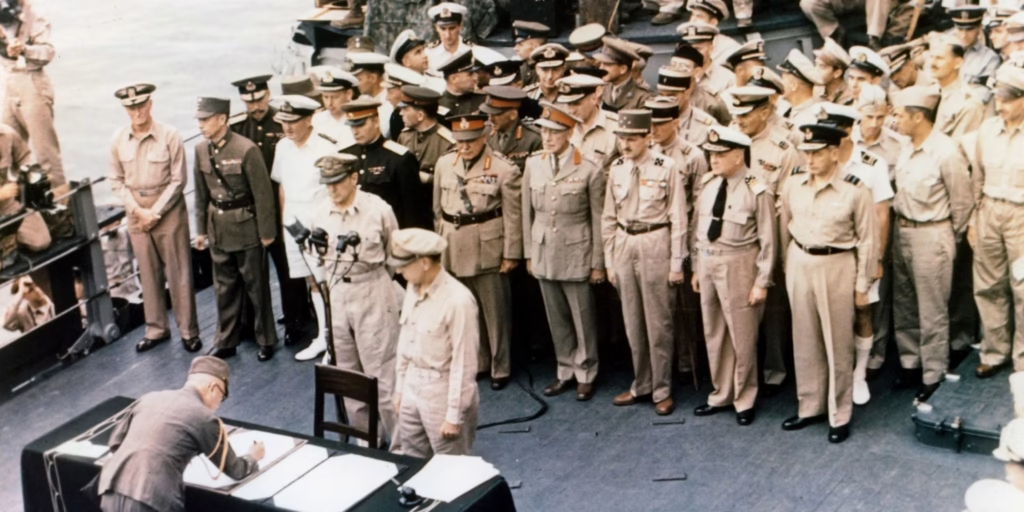
As the dust settled after World War II, the world was changing fast—and so was Breitling. The close of the 1940s and the dawn of the 1950s brought a new era of possibility. Aviation was no longer just the realm of military pilots and daring adventurers; commercial air travel was taking off, and with it, public fascination for flight reached new heights.
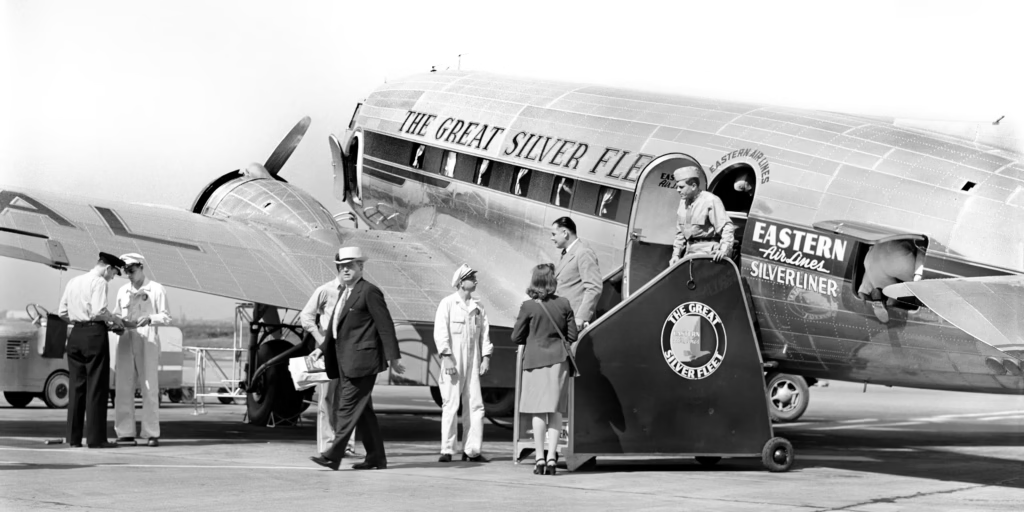
Airports became gateways to adventure and opportunity, not just for those stepping aboard, but for everyone who watched the skies and imagined the world beyond. With each new route and every takeoff, the magic of flight captured the public’s imagination. Breitling, already a trusted name in the cockpit, saw an opportunity to become the go-to brand for a new generation of pilots and, just as importantly, for the growing ranks of aviation enthusiasts watching from the ground.
It’s worth imagining the excitement of the era—a time when airports were portals to adventure, and every flight was an event. For many, a Breitling on the wrist was more than a tool; it was a ticket to that world, a quiet statement that you understood the value of timing, reliability, and the romance of the skies.
The Navitimer Takes Flight
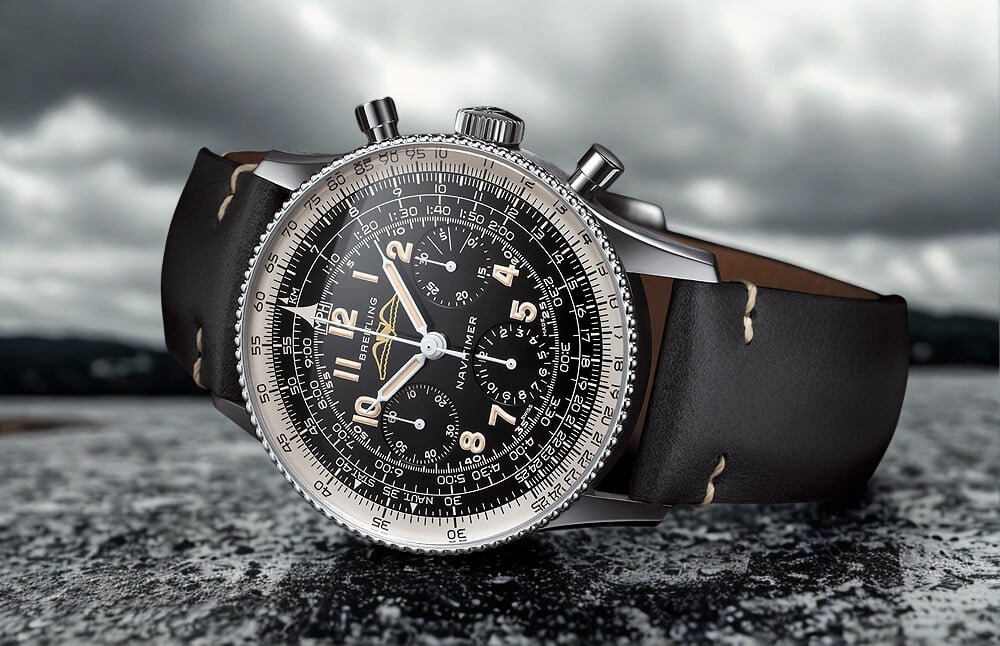
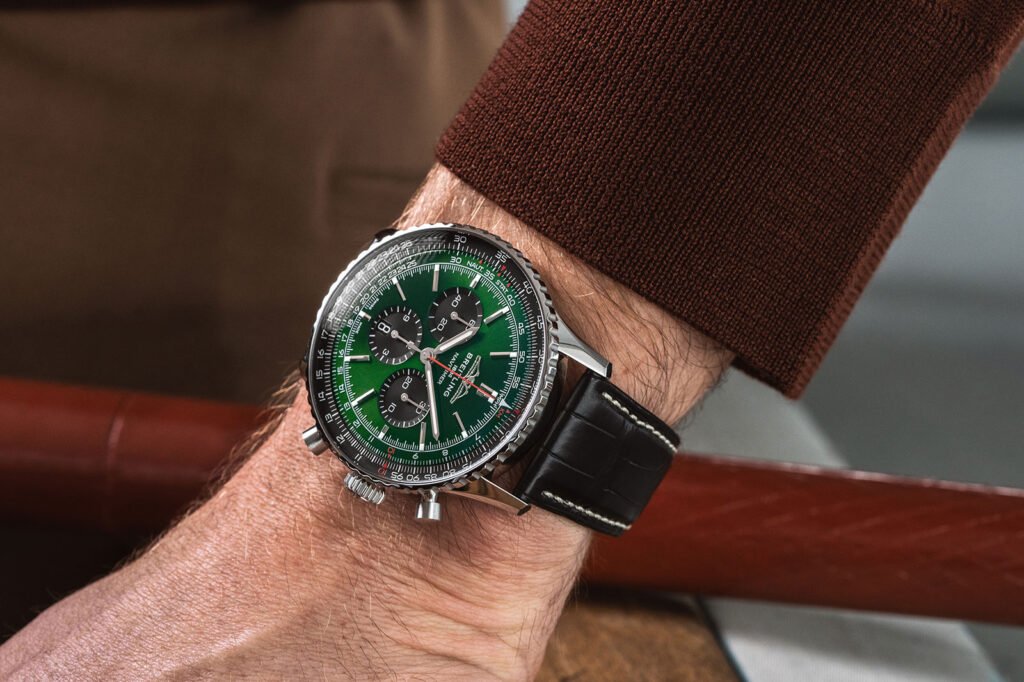
Enter the Navitimer in 1952—a watch that would become synonymous with Breitling itself. The Navitimer was more than just a timepiece; it was a fully-fledged flight computer for the wrist. Its most famous feature, the circular slide rule bezel, allowed pilots to perform crucial in-flight calculations: fuel consumption, airspeed, rate of climb, and more. In an age before digital calculators, this was nothing short of revolutionary.
What set the Navitimer apart wasn’t just its technical prowess but its readability and practicality. Large luminous numerals, bold hands, and a clean, functional dial made it instantly legible in the cramped, dimly lit cockpits of the era. In many ways, the Navitimer became a badge of honour for pilots—if you wore one, you belonged to a club of professionals who valued skill, preparation, and attention to detail.
It’s no wonder the Navitimer quickly found its way onto the wrists of commercial airline captains, private pilots, and even astronauts. Stories abound of pilots relying on their Navitimers when other instruments failed, using the slide rule bezel to double-check calculations or keep a cool head during unexpected situations. The watch wasn’t just a tool—it was a trusted companion, a symbol of confidence at 30,000 feet.
There are even tales of pilots forming informal “Navitimer clubs,” gathering in airport lounges to compare notes and swap stories. A shared glance at a distinctive dial or a well-worn strap could spark a conversation that lasted hours—about flight plans, weather, or just the simple joy of a well-made instrument.
Jet Age Icons
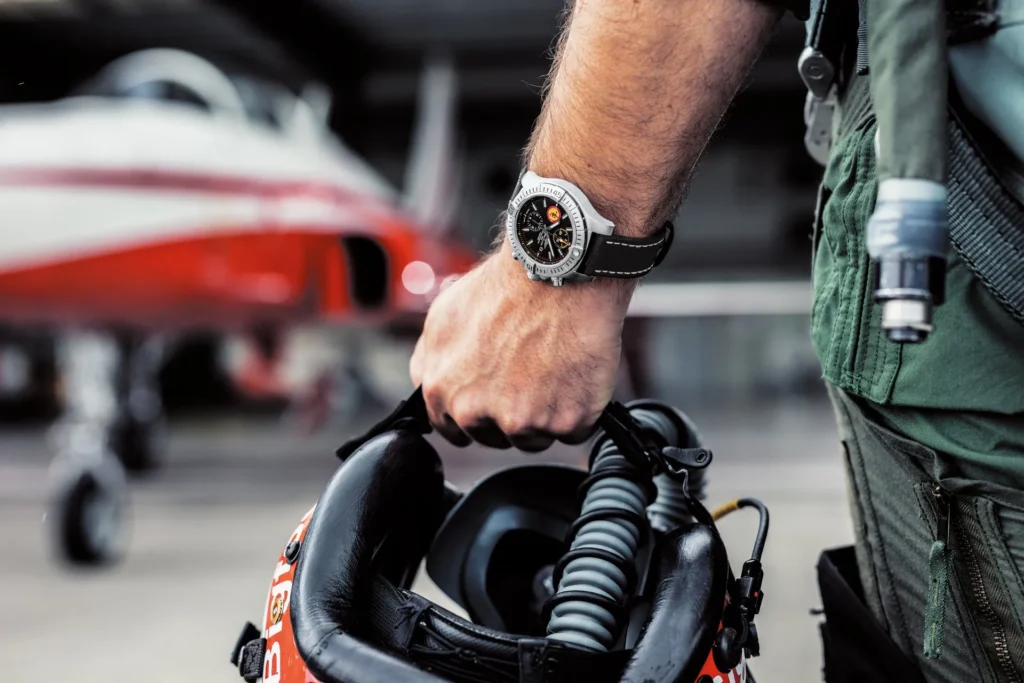
The rise of the jet age brought glamour and excitement to aviation, and Breitling was right there in the thick of it. Pilots became celebrities in their own right, and the watches they wore were as much a part of their image as their uniforms and flight jackets. The Navitimer captured the spirit of the times: adventurous, forward-thinking, and just a little bit daring.
This was also the era when Breitling began to cement its reputation beyond the cockpit. Aviation magazines, travel posters, and even Hollywood films featured the Navitimer, making it an aspirational object not only for professionals but also for enthusiasts and collectors. There’s a reason vintage Navitimers from this period are so highly prized today—they represent a golden age when flying was an event, and a good watch was as essential as a sturdy pair of wings.
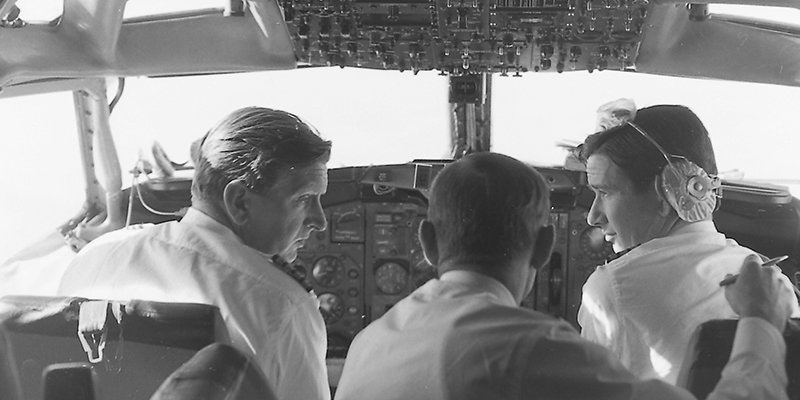
The sense of community surrounding these watches was also growing. Pilots would meet in airport lounges or in the cockpit and compare their Navitimers, swapping stories of weathering storms or near-misses, and sometimes even marking milestones—such as their first solo flight or a new route—with a scratch on the case back or a note tucked into the box. Owning a Breitling became a quiet bond between those who understood the challenges and beauty of flight.
More Than a Watch: A Statement
While the Navitimer was grabbing headlines, Breitling continued to innovate across its range. The company introduced new models with water-resistant cases, automatic winding, and anti-magnetic components—always with an eye toward real-world usability. Breitling wasn’t interested in window dressing; every feature had to serve a genuine purpose.
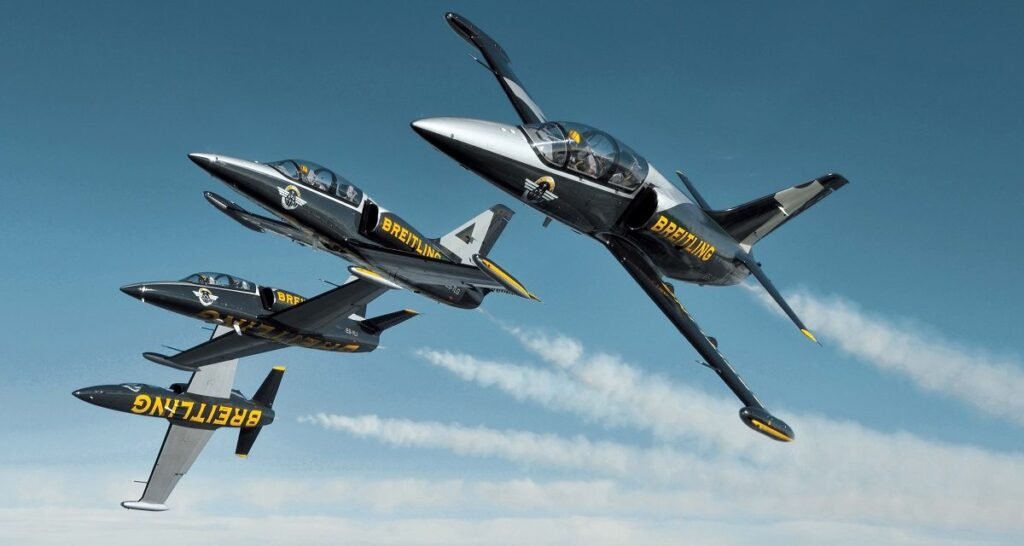
This mindset extended to the brand’s partnerships as well. Breitling started sponsoring aviation teams, supporting air shows, and collaborating with explorers and record-breakers. These were not just marketing stunts—Breitling’s watches were genuinely put to the test, from ocean crossings to high-altitude expeditions. The result was a feedback loop: the more Breitling learned from professionals, the better their watches became, and the more their reputation grew.
There’s something special about a company that listens to the people who rely on its products. Over time, Breitling became known not just for technical excellence, but for its willingness to evolve, adapt, and improve in response to real-world feedback. The relationship between the brand and its community was—and remains—a two-way street.
The Chronomat and a New Era of Precision
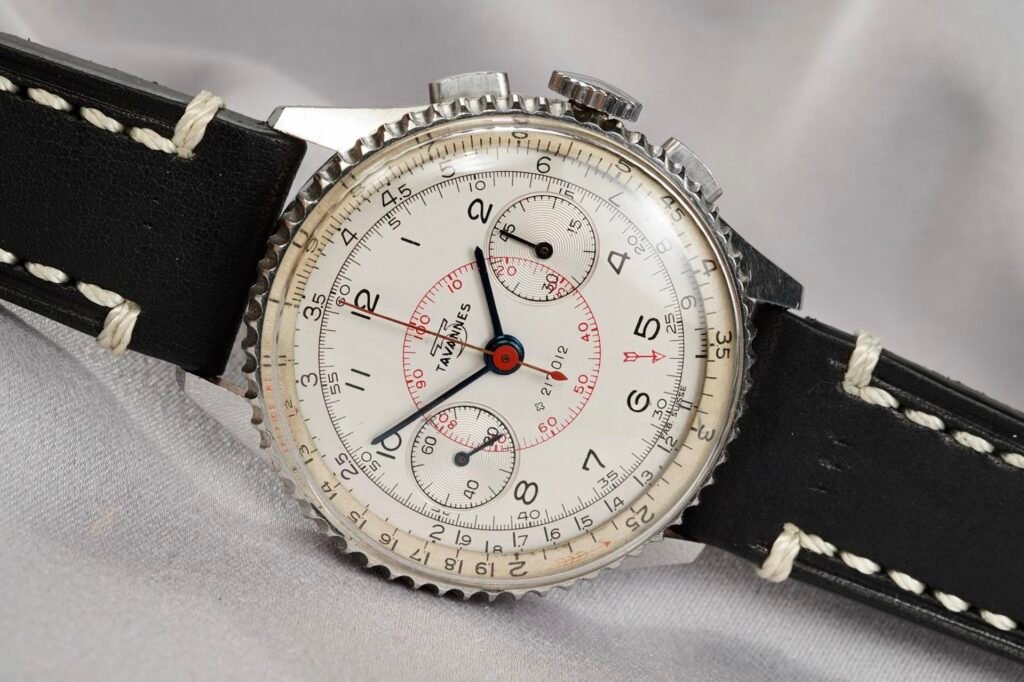
The 1942 Chronomat deserves a special mention here. While the Navitimer became the symbol of aviation, the Chronomat was the workhorse—beloved by engineers, scientists, and anyone who needed a robust, versatile chronograph. Its innovative features, like the rotating bezel and later the “rider tabs,” allowed for fast, intuitive handling, even with gloves on. The Chronomat’s practicality and reliability made it a favourite both on the ground and in the air.
As the 1960s unfolded, Breitling continued to refine the Chronomat and its other lines, introducing automatic chronograph movements and ever-more rugged case designs. These watches weren’t just for pilots anymore; they were finding their way onto the wrists of divers, explorers, and adventurers of all stripes.
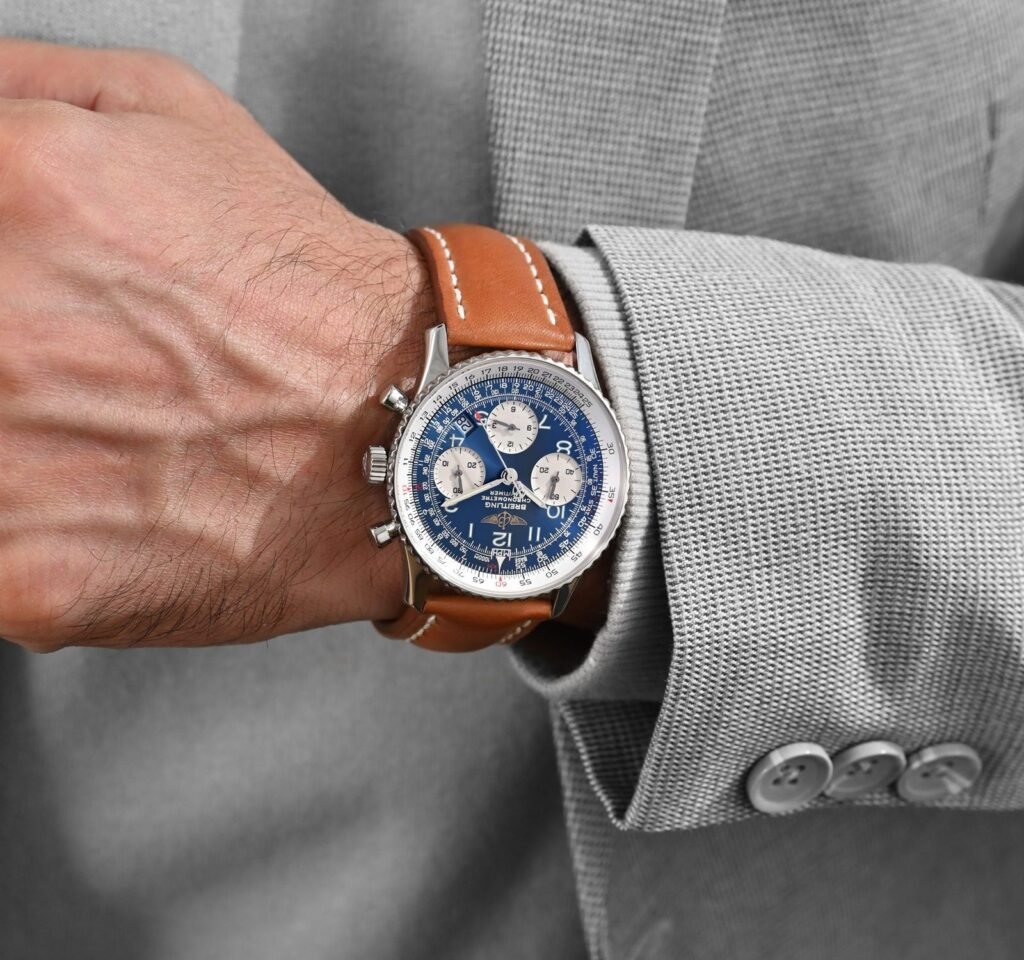
And it wasn’t just the professionals who noticed. Weekend flyers, scientists in remote outposts, and even desk-bound dreamers began to gravitate toward Breitling’s promise of reliability and adventure. The Chronomat, with its blend of elegance and toughness, became a subtle status symbol—a sign you valued function, but didn’t mind looking sharp in the process.
Engineering for the Real World
What I find most impressive about Breitling in this era is how the company never lost sight of its roots. Every innovation was born out of a genuine need—shock resistance for rough landings, magnetic shielding for the ever-present radios and electronics in cockpits, and water resistance for those who worked (or played) in unpredictable environments.

You’ll find stories of Breitling watches surviving crashes, being used to time parachute drops, or simply keeping perfect time through years of relentless use. These are not just anecdotes—they’re proof of a philosophy that values utility and reliability above all else.
Even today, collectors hunt for models that bear the marks of a life well-lived: a faded lume, a nicked case, a bracelet that’s worn smooth. These imperfections are badges of honour, proof that a watch wasn’t just kept in a drawer—it was out in the world, doing what it was made for.
There’s also something to be said for the emotional bond these watches create. I’ve spoken to pilots who still wear the Breitling their father wore, or collectors who recall chasing down a rare model for years before finally landing it. Each watch carries its own story, and the stories multiply with each passing generation.
The Human Touch
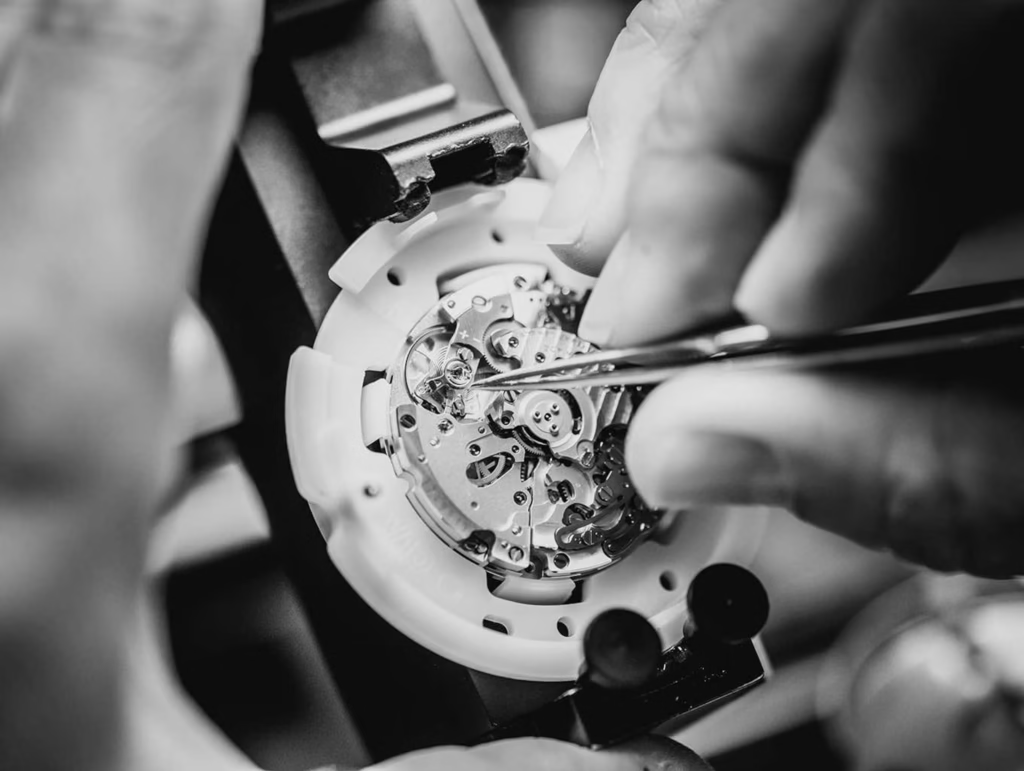
Breitling’s engineers were not faceless technicians—they were craftsmen, many of whom spent decades perfecting their skills. It was common for a watchmaker to spend hours adjusting a single movement, ensuring that every component meshed perfectly. There’s an intimacy to this kind of work, a sense that each watch carries a little bit of its maker’s pride.
This dedication to craft is something you can still sense when you pick up a vintage Breitling. The weight, the feel of the crown, the smooth action of the chronograph pusher—it all speaks to a level of care that’s hard to replicate in mass-produced goods.
I’ve heard stories from collectors who have opened up a case back to find a tiny, hand-engraved mark left by a watchmaker decades ago—a secret signature, a quiet conversation across the years. These small touches give each piece a sense of individuality, a reminder that every Breitling is the product of patient hands and a sharp eye.
The Brand Beyond the Cockpit
By the late 1960s, Breitling’s reputation had spread well beyond professional circles. Collectors began to take notice, drawn by the brand’s technical achievements and its growing cachet in the world of style. A Breitling on the wrist signified not just a love of aviation or engineering, but an appreciation for quality, innovation, and the stories that come with a well-made object.
This was also a time when Breitling began to face new challenges. The world of watchmaking was on the cusp of a revolution—one that would test every brand’s ability to adapt and survive. But before that storm hit, Breitling had established itself as a pillar of reliability and ingenuity, a brand trusted by those who needed their tools to work, no matter what.
Looking Ahead: The Challenge of Change

As we close this chapter, it’s worth pausing to reflect on what Breitling had achieved by the end of the 1960s. The brand had become synonymous with flight, precision, and adventure. Its watches were worn by pioneers, professionals, and dreamers alike. The Navitimer and Chronomat were more than just products—they were symbols of an era when technology and human ambition soared side by side.
But the story doesn’t end here. In the next chapter, we’ll explore how Breitling navigated the upheaval of the quartz revolution, reinvented itself in a changing world, and continued to shape the future of watchmaking—always with an eye on the skies, and always with a human touch.