 Just About Watches

Storm Clouds on the Horizon

The end of the 1960s was a golden time for Breitling, but the clear skies wouldn’t last forever. As the 1970s dawned, the watch industry—especially in Switzerland—was about to be shaken to its core. The cause? A technological revolution that arrived quietly but changed everything: the quartz movement.
It’s hard to overstate how much of a shock the so-called “quartz crisis” was. Suddenly, small, affordable, battery-powered watches from Japan were everywhere. They kept time with pinpoint accuracy, cost a fraction of a mechanical Swiss watch, and didn’t need winding. For companies like Breitling, whose very identity was wrapped up in mechanical mastery, this was a moment of existential doubt.
The Quartz Crisis: Survival Mode

Many Swiss brands didn’t survive. Factories closed. Skilled watchmakers found themselves out of work. The old hierarchies and certainties were swept away almost overnight. For Breitling, the challenge was especially stark. Their audience—pilots, engineers, collectors—prized mechanical movements, but in a world flooded with cheap quartz, even the most loyal customers hesitated.
Breitling, though, wasn’t ready to quit. The company made a conscious decision: it would not abandon mechanical watchmaking, even as it experimented with quartz technology in some models. It’s a choice that, in hindsight, looks wise. While other brands chased trends or cut corners, Breitling doubled down on what made it special—robust, professional-grade chronographs that could take a beating and still perform.
Reinvention Through Adversity

This period was not without pain. Breitling had to scale back production, make hard choices, and even changed hands—Ernest Schneider stepped in, bringing new ideas and a pragmatic approach. Schneider was a pilot himself, and he understood both the romance and the reality of high-performance watches. He respected Breitling’s heritage, but also saw the need to modernise without selling out.
Under Schneider, Breitling began to carefully reintroduce mechanical models, all while keeping a toe in the quartz world. The brand’s professional focus never wavered. If you needed a chronograph that would survive a rough landing, a long dive, or a punishing schedule, Breitling wanted to be the name you trusted.
The Professional’s Choice

While the world marvelled at digital displays and plastic cases, Breitling’s engineers quietly refined their core products. They improved water resistance, shock protection, and magnetic shielding. New materials—stronger steels, sapphire crystals, and advanced gaskets—helped ensure Breitling’s watches could handle just about anything.
This was also when the company leaned into its reputation for professional use. Breitling watches were chosen by air rescue teams, military units, and even astronauts. The brand embraced COSC certification, guaranteeing chronometer-grade accuracy on a wide scale. Each new model was more than a fashion statement; it was a piece of equipment, issued to those who needed reliability above all else.
Stories surfaced of Breitlings being used in life-or-death situations: timing a rescue, navigating in the dark, or even being used as a backup instrument when everything else failed. These tales weren’t just good marketing—they cemented the brand’s credibility with a new generation of professionals.
The Birth of a Lifestyle Icon
By the late 1980s and early 1990s, the world was ready for a resurgence of mechanical watches. Collectors began to rediscover the beauty and complexity of gears and springs. Younger buyers, tired of disposable gadgets, wanted something with heritage—a story and a soul. Breitling was perfectly positioned to ride this wave.
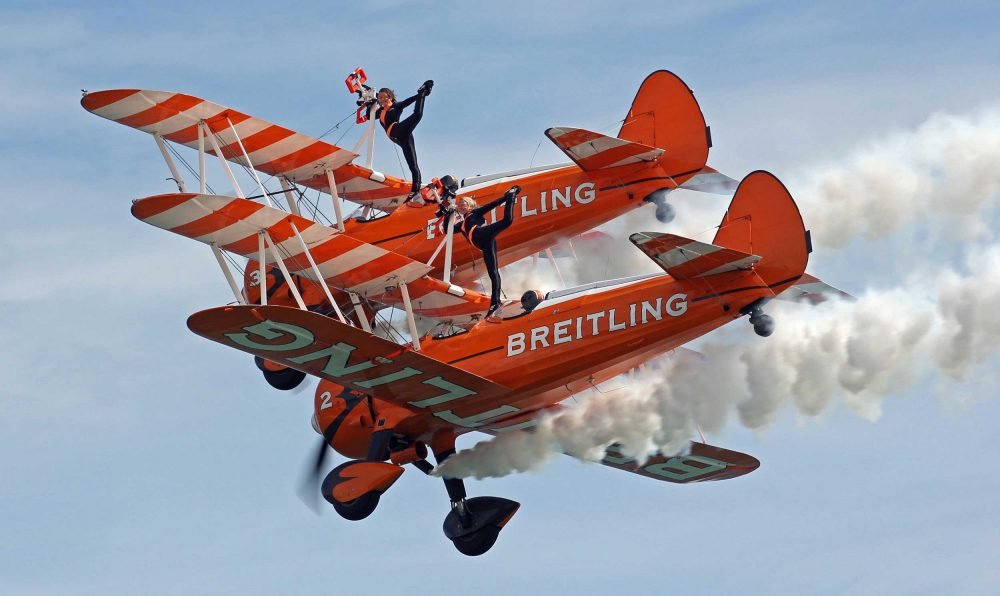
But the brand didn’t stop at the workshop bench. It began to cultivate a lifestyle around its watches. Breitling sponsored air shows, partnered with aerobatic teams, and even supported ocean explorers and adventurers. The watches appeared on the wrists of celebrities and in blockbuster films, but never as mere props—they were always shown doing what they were built for.
This new approach broadened Breitling’s appeal. The watches were no longer just for pilots or professionals; they became symbols of adventure, confidence, and technical excellence for anyone who wore them. Owning a Breitling meant you appreciated real engineering, and you were ready—at least in spirit—for whatever challenge came next.
Technical Renaissance: In-House Movements
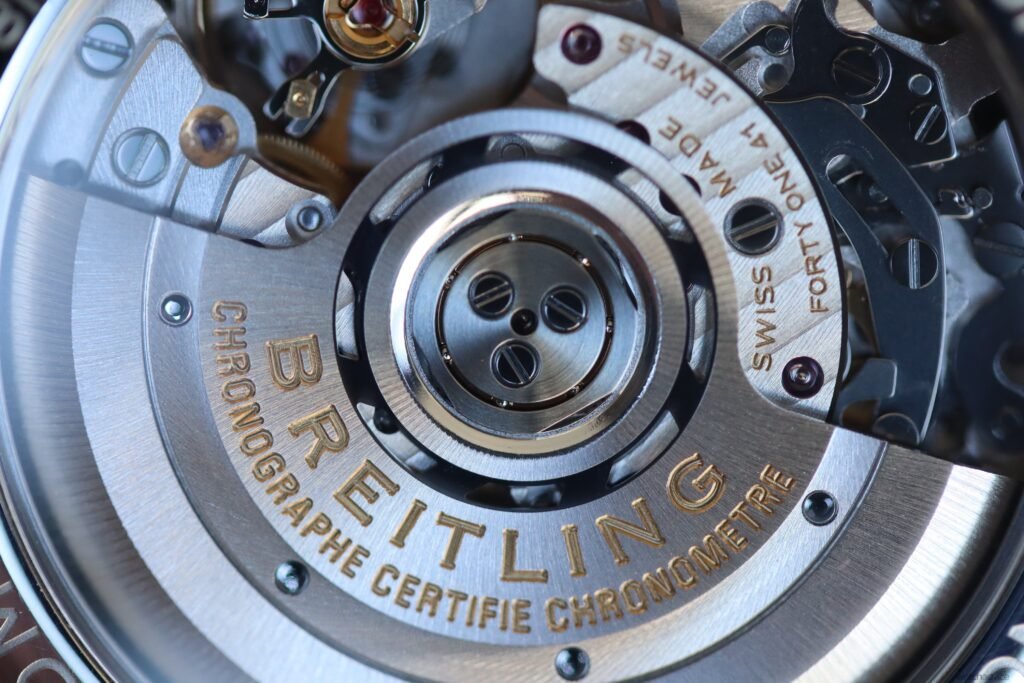
The comeback was about more than marketing. Behind the scenes, Breitling’s technical team pushed hard to innovate. The brand started developing its own movements again, a huge investment that signaled a return to roots. The result? The B01 calibre, launched in 2009—a fully in-house automatic chronograph movement with a 70-hour power reserve, vertical clutch, and column wheel. It was a statement: Breitling wasn’t just surviving, it was leading.
The B01 wasn’t just for show. It became the base for a slew of new models, each one blending classic Breitling toughness with modern precision. The movement was modular, allowing for GMT, calendar, and limited-edition variants. It was also a nod to the past—even as the industry changed, the values of ingenuity, durability, and reliability remained front and centre.
From Cockpit to Ocean: Expanding the Legacy
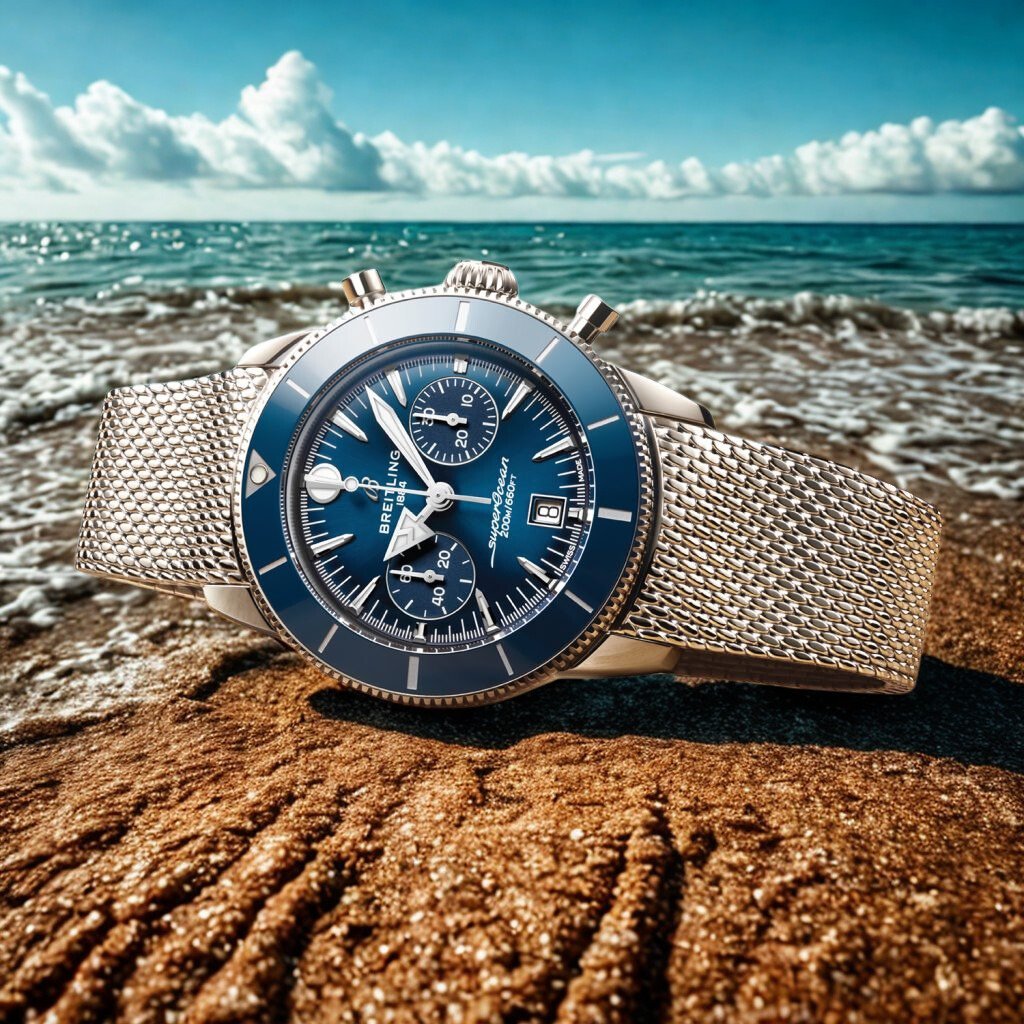
The return to form was about more than just aviation. Breitling expanded its Superocean line for divers, embracing the needs of those who worked in the world’s most demanding environments. These weren’t just pretty faces—features like helium escape valves, deeper water resistance, and ultra-legible dials made them true tools for underwater exploration.
The Aerospace line, first launched in the 1980s, deserves special mention too. Here, quartz technology met professional function in a package that delivered alarms, timers, dual time zones, and digital displays—all wrapped in a titanium case. It was a clear sign that Breitling could blend tradition with progress, and that the brand never stopped listening to what real-world users wanted.
The Collector’s Renaissance
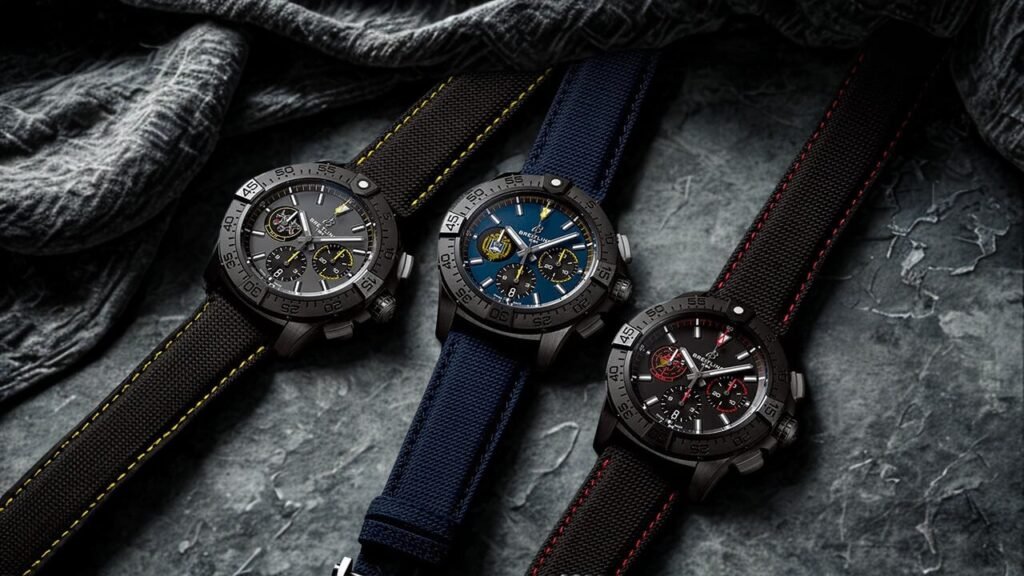
This era also saw the emergence of a vibrant collector community. Vintage Breitlings, especially from the 1950s and 1960s, became highly sought after. The stories behind each watch—the pilot who wore it, the mission it survived, the engravings on the case back—added layers of meaning. Collectors weren’t just buying objects; they were connecting with a lineage of explorers, engineers, and dreamers.
Breitling fed this passion by releasing careful reissues and limited editions, each one true to the spirit of the original, but updated for modern reliability. These models didn’t just mimic the past—they honoured it, and they brought new fans into the fold.
The Human Side: Community and Craft
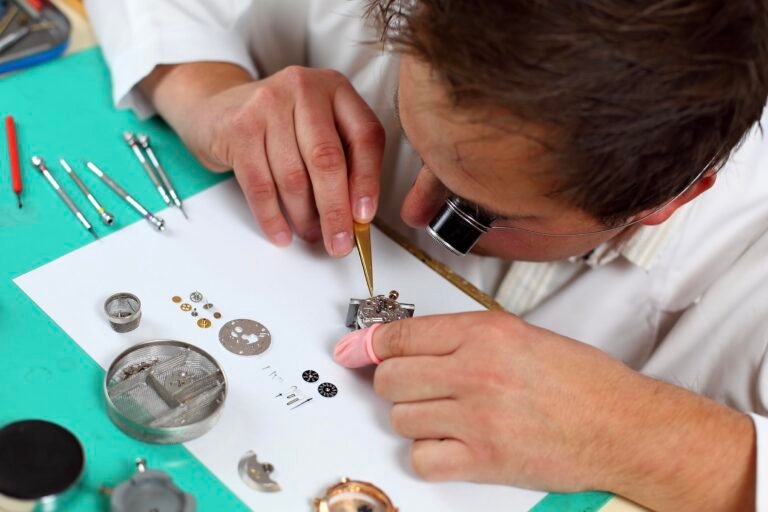
Through all this, the people behind Breitling kept the flame alive. The brand’s workshops still buzzed with the sound of hand tools and careful inspection. New apprentices trained under old masters, learning that even with modern machines, there’s no substitute for a sharp eye and a steady hand.
Community events became a bigger part of the Breitling story. The brand hosted fly-ins, diving weekends, and collector gatherings, connecting people who shared a love of precision and adventure. Forums and clubs sprang up around the world, with members swapping tips, photos, and stories—sometimes passing watches from one generation to the next.
Wearing a Breitling became a conversation starter, a chance to swap tales of travel, adventure, or just the thrill of a perfectly timed moment. It wasn’t just about status—it was about belonging to a tradition that still valued craft and camaraderie.
Sustainability, Responsibility, and the Modern Era

As the 21st century progressed, new priorities came to the fore. Breitling committed to responsible sourcing of materials, reducing environmental impact, and ensuring the longevity of its timepieces. The company introduced eco-friendly straps and packaging, and made public moves towards transparency in its supply chain.
Technical innovation continued: ceramic bezels, anti-reflective sapphire crystals, and new alloys all found their place in the catalogue. But the heart of the brand remained unchanged: tools for professionals, crafted with care, and designed to last.
Setting the Stage for the Future

By the time the second decade of the 21st century arrived, Breitling had not only weathered the storms of the past, but emerged stronger, more resilient, and more relevant than ever. The brand was now a fixture in both the worlds of adventure and style, its watches worn by pilots, divers, scientists, and enthusiasts from every walk of life.
The story of crisis and reinvention is far from unique in watchmaking, but Breitling’s refusal to compromise its values, and its willingness to listen and evolve, set it apart. Every chapter—mechanical mastery, quartz adaptation, lifestyle rebranding, technical renaissance—built on the last, forming a legacy that feels unbroken even as the world keeps changing.
Looking even further Forward
As this chapter draws to a close, Breitling stands on the threshold of its next adventure. The lessons learned through hardship and renewal have shaped a brand that’s both grounded in tradition and open to the future. In the next chapter, we’ll see how Breitling continues to foster community, push the boundaries of design and technology, and remain a touchstone for anyone who values the art—and the joy—of keeping perfect time.